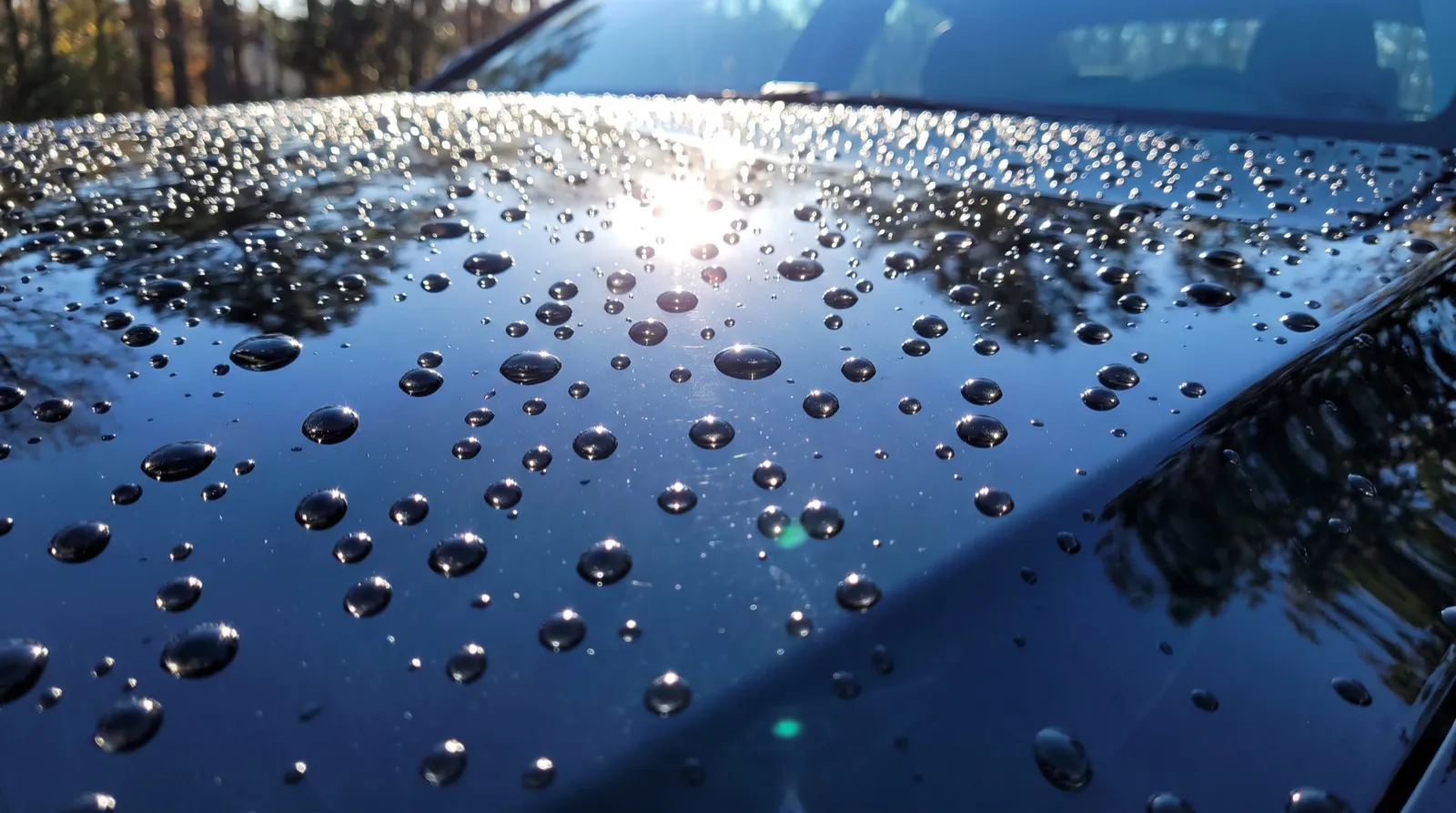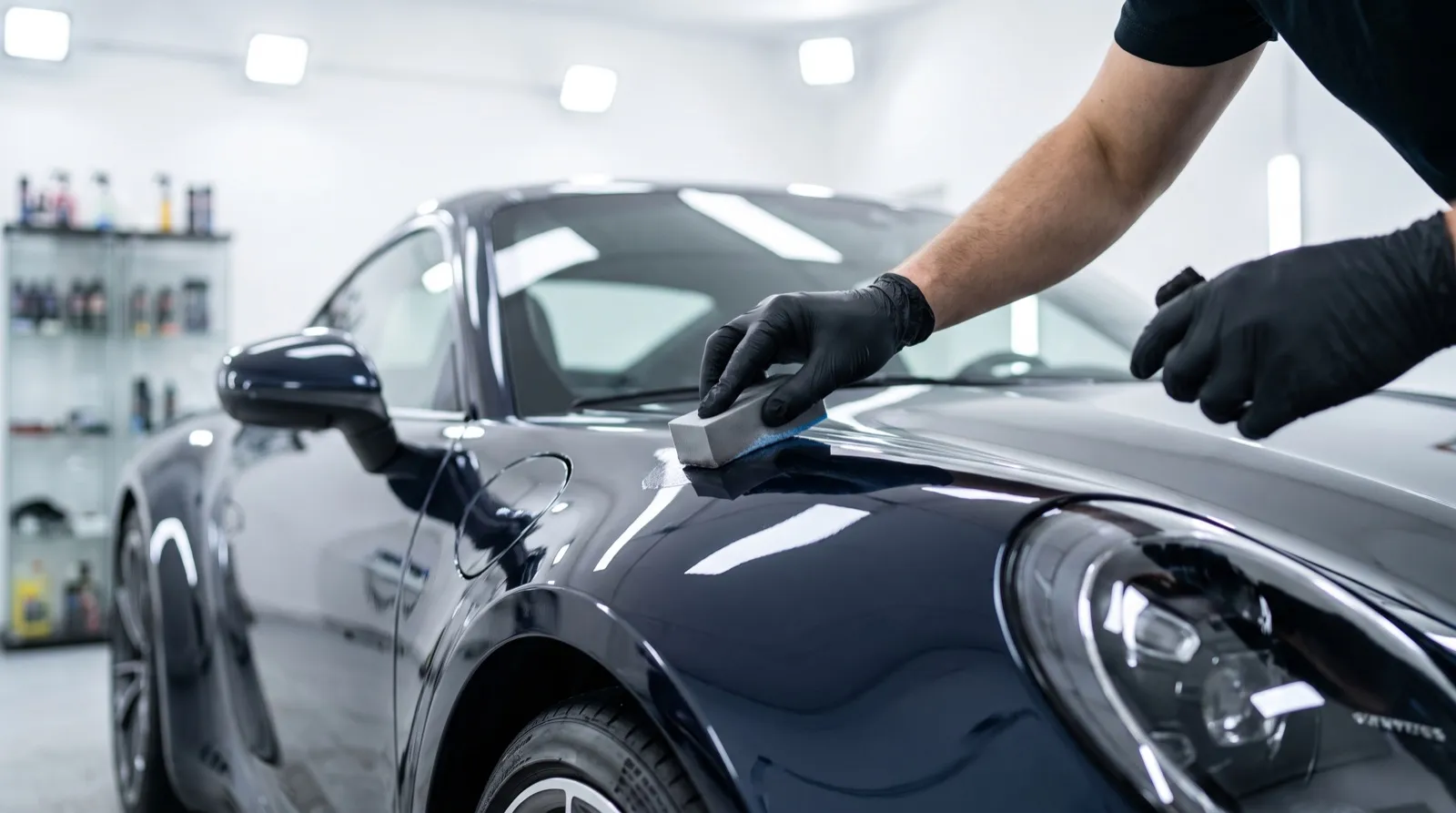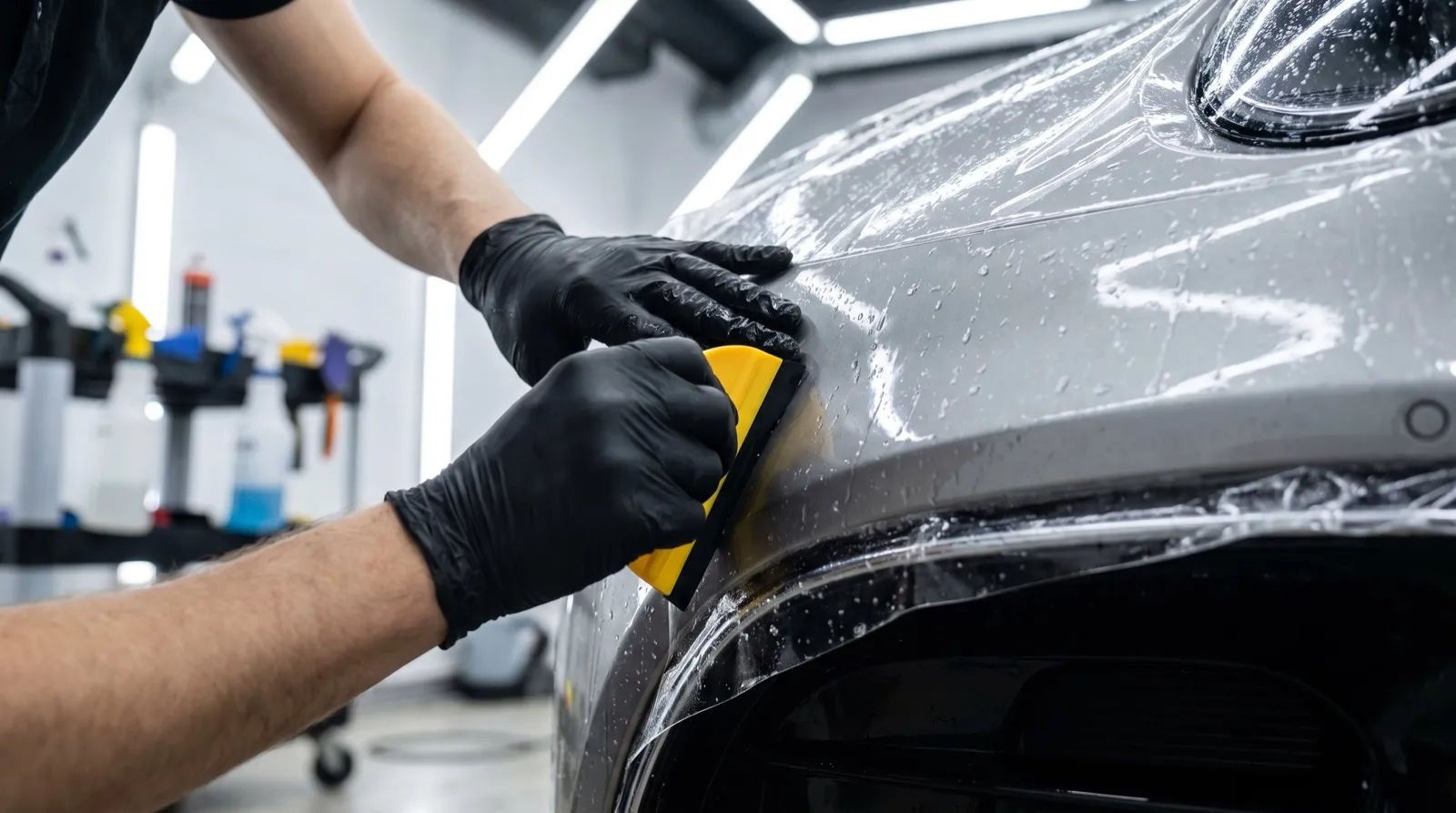
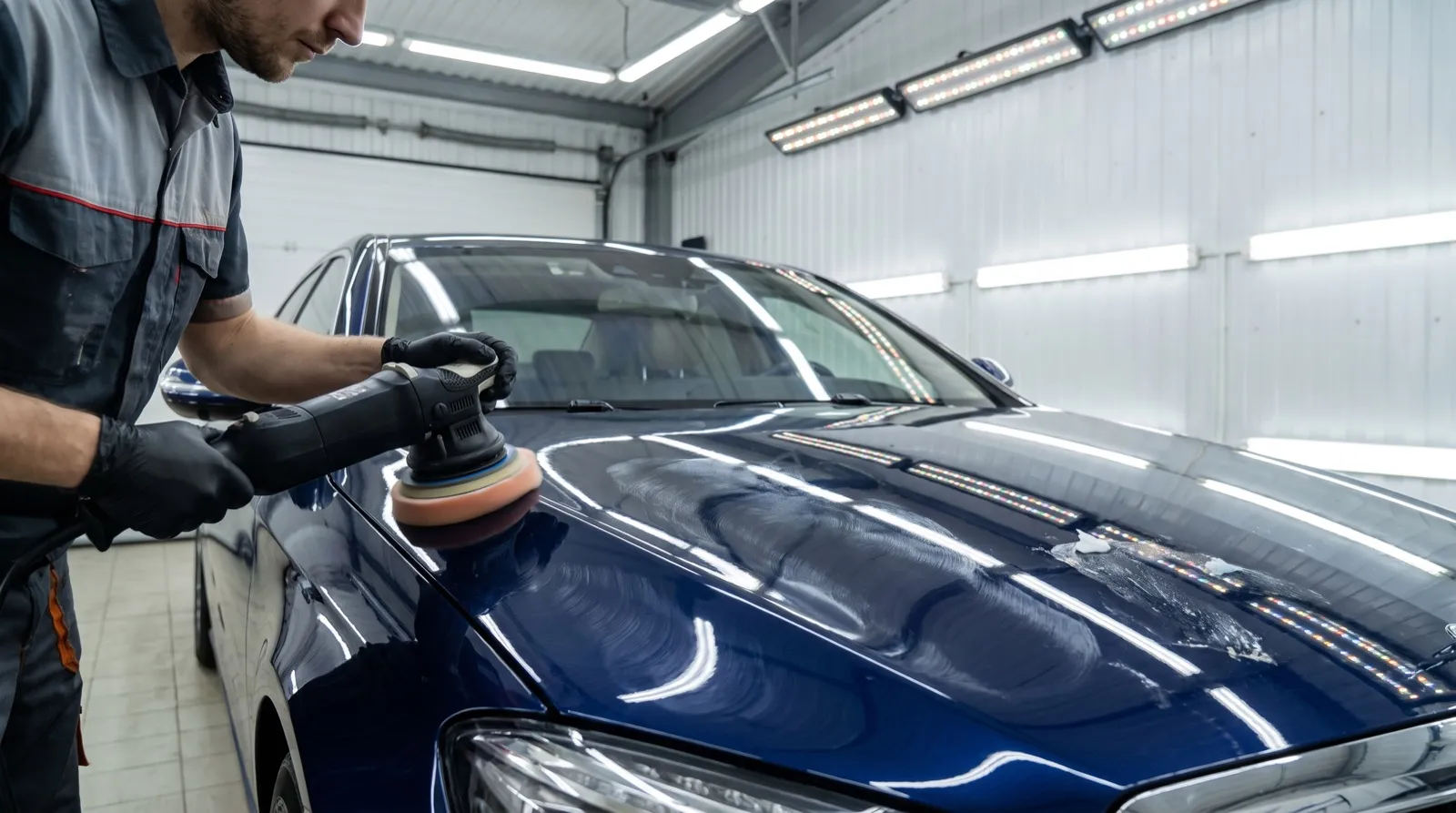
Pull your car into direct sunlight and look closely at the hood. If you see fine spider-web circles, a hazy finish, or light scratches catching the light, you are looking at the defects that paint correction is designed to erase. It is one of the most satisfying services we do at 360PDR, because the change is dramatic and immediate: a dull, tired panel turns into a deep, clear reflection.
But paint correction is often misunderstood. People confuse it with waxing, or they assume a quick buff will fix everything. Here is a straight explanation of what paint correction actually is, what it fixes, what it can't, and why the order you do things in matters more than most drivers in the Dallas-Fort Worth area realize.
What Is Paint Correction?
Paint correction is a multi-step machine polishing process that removes a very thin layer of your vehicle's clear coat to level out defects in the surface. Your car's paint is built in layers, and the top layer is a transparent clear coat that protects the color underneath and provides gloss. Over time that clear coat picks up tiny scratches and marks that scatter light instead of reflecting it cleanly, which is why the finish looks dull.
During correction, a technician uses a machine polisher with a cutting compound to shave down that clear coat by a few microns, just enough to bring the surface level with the bottom of the scratches. Once the surface is flat again, light reflects evenly and the true depth and gloss of the paint come back. It is precision work, not a quick wipe-down.
What Paint Correction Fixes
Machine polishing addresses defects that live within the clear coat. The most common ones we correct include:
- Swirl marks. The fine circular scratches, most visible on dark colors, caused by improper washing.
- Light scratches. Surface scratches that have not cut all the way through the clear coat. Scratch removal is possible as long as the damage stays above the paint layer.
- Oxidation and fading. Texas sun is brutal on paint. Oxidation is the chalky, dull look that comes from UV breaking down the clear coat over years.
- Water spots. Mineral deposits from sprinklers and hard water that etch into the surface.
- Buffer trails and holograms. The streaky marks left behind by a previous careless polishing job. We correct these regularly.
The end result is gloss restoration: the paint looks deeper, wetter, and clearer than it has in years.
What Paint Correction Can't Fix
This is where honesty matters. Paint correction only works on defects within the clear coat. If a scratch has cut all the way through the clear coat and into the colored paint below, no amount of polishing will remove it, because leveling to that depth would burn straight through the clear coat. Those deep scratches need touch-up or a repaint.
Correction also does nothing for dents. If your panel has hail dings or a crease, that is a job for paintless dent repair or bodywork, not a polisher. And if a Texas hailstorm has already found your car, our hail damage repair team handles that separately. Paint correction is about the finish, not the shape of the metal.
See What's Hiding Under the Haze
Send us a few photos of your car's paint and we'll tell you honestly what correction can bring back. Serving Carrollton, Princeton, and the entire DFW metroplex.
Request a Free Quote Or call us now: (972) 880-8083What Causes Swirl Marks in the First Place?
Almost every swirl mark on your car comes from the wash process, not the road. The usual culprits are:
- Automatic car washes. Those spinning brushes drag grit across your paint on every pass, and the tunnel washes near many DFW gas stations are some of the worst offenders.
- Improper hand washing. Using a single bucket, a dirty mitt, or scrubbing in tight circles grinds dust and dirt into the clear coat.
- Dirty or rough towels. Wiping down a dusty car, or using a towel that has touched the ground, is like sanding it lightly every time.
This is why we tell customers that how you wash matters as much as how often. Correcting swirls only to put them right back with a bad wash routine wastes good work.
The Paint Correction Process, Step by Step
A proper correction is methodical. Rushing it is how you get the buffer trails we mentioned earlier. Our process runs like this:
- Wash. A thorough, safe hand wash to remove loose dirt so nothing gets dragged across the paint later.
- Decontaminate. A clay treatment pulls out bonded contaminants, like rail dust and overspray, that washing alone won't lift.
- Inspect. Under bright lighting, we assess the defects and measure the paint depth so we know how much clear coat we have to work with.
- Test spot. We correct a small area first to dial in the right pad and compound combination for your specific paint.
- Cut. The cutting stage uses a more aggressive compound to remove the deeper defects.
- Refine and polish. Progressively finer polishing steps remove the haze left by cutting and bring out full clarity and gloss.
That "cutting and polishing" sequence is the heart of the job, and it is why real correction takes hours, not minutes.
Single-Stage vs. Multi-Stage Correction
Not every car needs the same amount of work, and that is where the difference between single-stage and multi-stage correction comes in.
A single-stage correction is one polishing step that removes lighter defects, like mild swirls and haze, and boosts gloss. It is a good fit for a newer car or one that has been reasonably well cared for. A multi-stage correction adds one or more cutting steps before the final polish, which is what heavily swirled, oxidized, or neglected paint needs to be brought back. More stages means more defect removal, more time, and more of that finite clear coat used up, so the right number of stages depends entirely on your paint's condition. We assess that during the inspection rather than guessing.
Correct Before You Coat
Here is the single most important point in this article: paint correction should happen before any ceramic coating or paint protection film goes on. A ceramic coating or PPF is clear, and it locks in whatever surface it is applied over. If you seal a coating on top of swirls and oxidation, you have permanently trapped those defects under a layer that lasts for years. You have made the flaws harder to fix, not easier.
Do it in the right order and everything works together: correct the paint to a flawless finish, then protect that finish. If you are weighing your protection options, our guides on whether ceramic coating is worth it in the Texas heat and ceramic coating vs. wax vs. PPF walk through what each one does. Correction is the step that makes any of them look their best.
Why It Isn't the Same as Wax or a Quick Buff
Wax and quick-detail sprays hide defects; they don't remove them. They fill swirls temporarily and add a shine that washes away in a few weeks. Paint correction physically levels the defect out of the clear coat, so the improvement is permanent until new damage occurs. That is a fundamental difference.
It also matters who does the work. Your clear coat is finite. There is only so much of it, and every correction removes a little. Done carelessly, aggressive buffing can thin the clear coat too far or burn through an edge, which means a repaint. Professional correction uses paint-depth readings, test spots, and the least aggressive method that gets the job done, so your paint gets restored without being sacrificed. DFW paint correction done right is as much about restraint as it is about cutting power.
Bring Back the Gloss
Whether your paint needs a single-stage refresh or full multi-stage correction, our team in Carrollton and Princeton will restore the finish before you ever think about a coating. Reach out for your free assessment.
Get My Free Quote Prefer to talk? Call (972) 880-8083