Every driver in North Texas wants the same thing: paint that still looks sharp after a few brutal summers. The hard part is figuring out how to get there. The ceramic coating vs wax vs PPF debate comes up constantly at our shop, because those three products do very different jobs, cost very different amounts, and last for wildly different lengths of time. Pick the wrong one for how you drive and you either overspend or leave your finish exposed.
The simplest way to understand your options is to think of them as three levels of paint protection. Wax is the entry level. Ceramic coating is the middle, a semi-permanent shield with real staying power. Paint protection film is the top level, the only one that physically absorbs a rock chip. Here is how each one works, where it shines, and how a DFW driver should choose.
Level 1: Car Wax
Car wax is the oldest form of paint protection, and it still has a place. A coat of wax lays a thin sacrificial layer over your clear coat, adds a warm gloss and shine, and gives water something to bead off of. It is cheap, it is easy to apply in your driveway, and it makes a freshly detailed car look fantastic on day one.
The catch is durability. Traditional wax breaks down fast under heat, sun, and car washes. In the Texas sun, a coat of wax often wears off in a matter of weeks, not months. It offers only minimal protection against UV rays, bird droppings, tree sap, and none at all against physical impact. Wax is a good choice if you enjoy detailing your own car often and you like the look of a fresh coat. As a long-term shield for a daily driver parked outside all summer, it falls short.
Level 2: Ceramic Coating
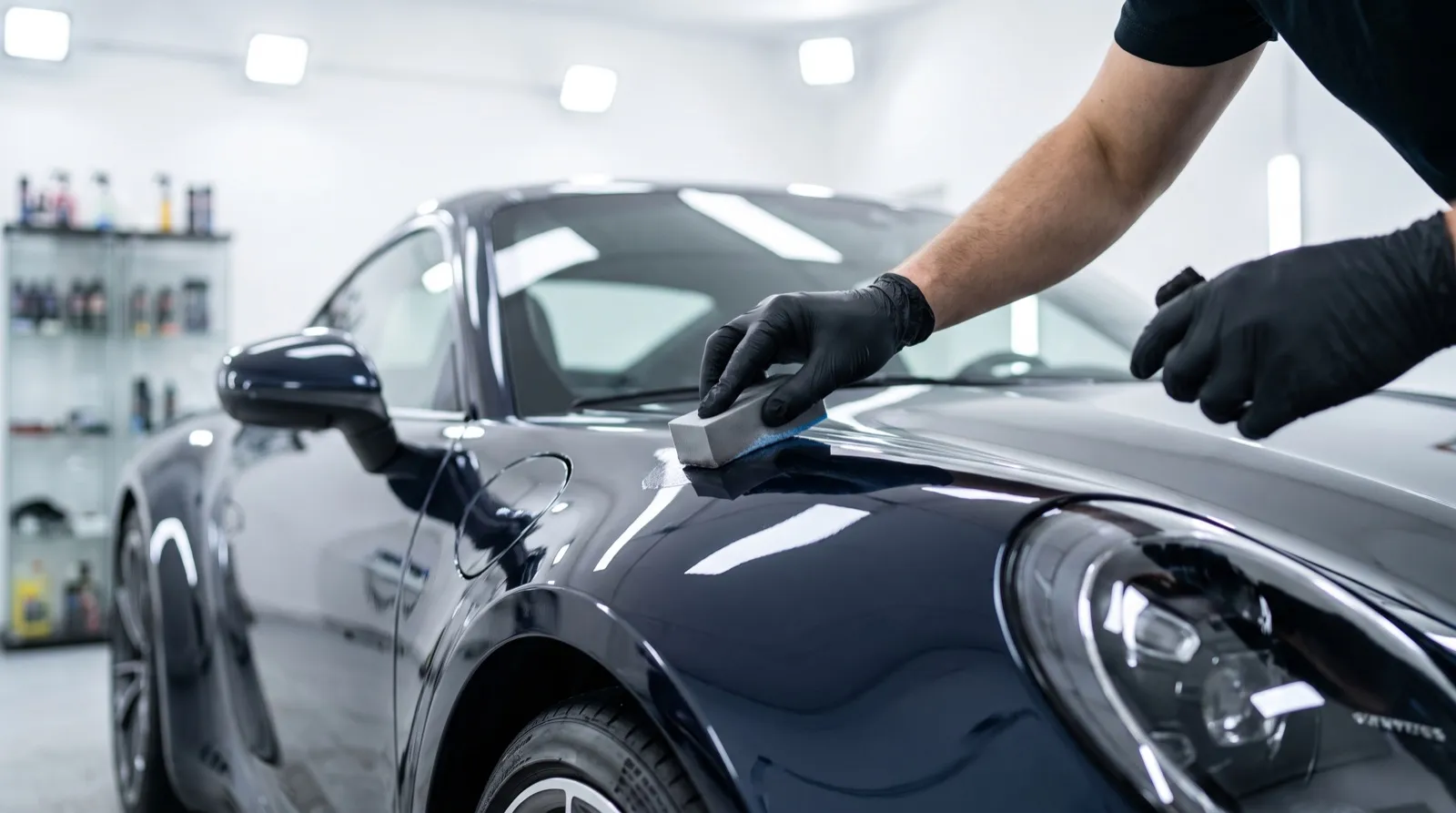
Ceramic coating is a liquid polymer that chemically bonds to your clear coat and cures into a hard, semi-permanent layer. Unlike wax, it does not wash away after a few storms. A quality coating stays put for years, and it does several things wax cannot.
- Strong UV protection. The coating shields your clear coat from the harsh Texas sun, which is the number one cause of faded, oxidized paint on cars parked outside.
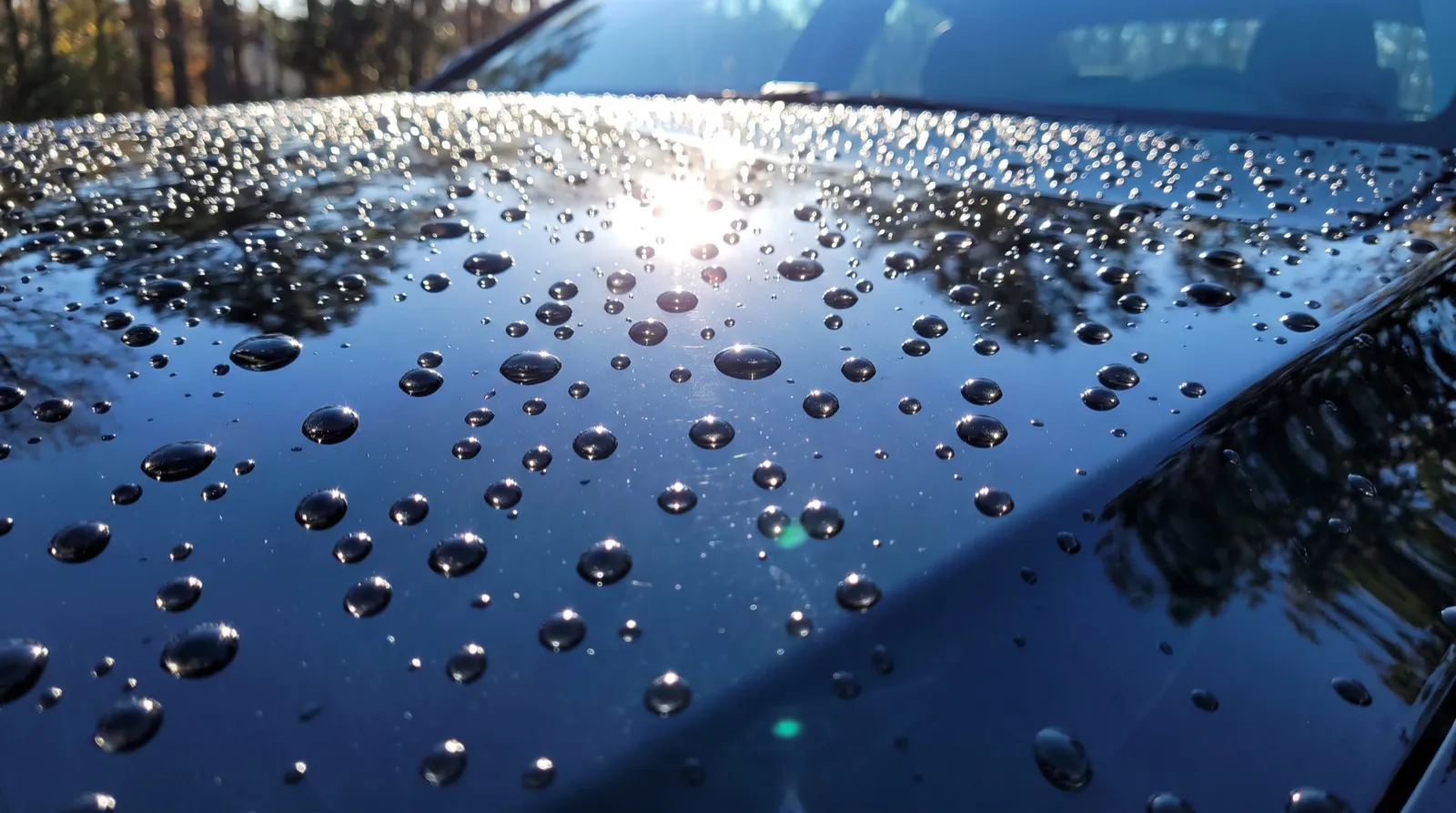
- Hydrophobic behavior. Water sheets off instead of sitting on the surface, so rain, dust, and grime rinse away far more easily. That hydrophobic effect also makes routine washing much faster.
- Chemical resistance. Bird droppings, bug guts, and road film are far less likely to etch into a coated surface if you clean them off reasonably soon.
- Deeper gloss. A good ceramic coating adds a glassy, mirror-like depth to the gloss and shine that lasts for the life of the coating.
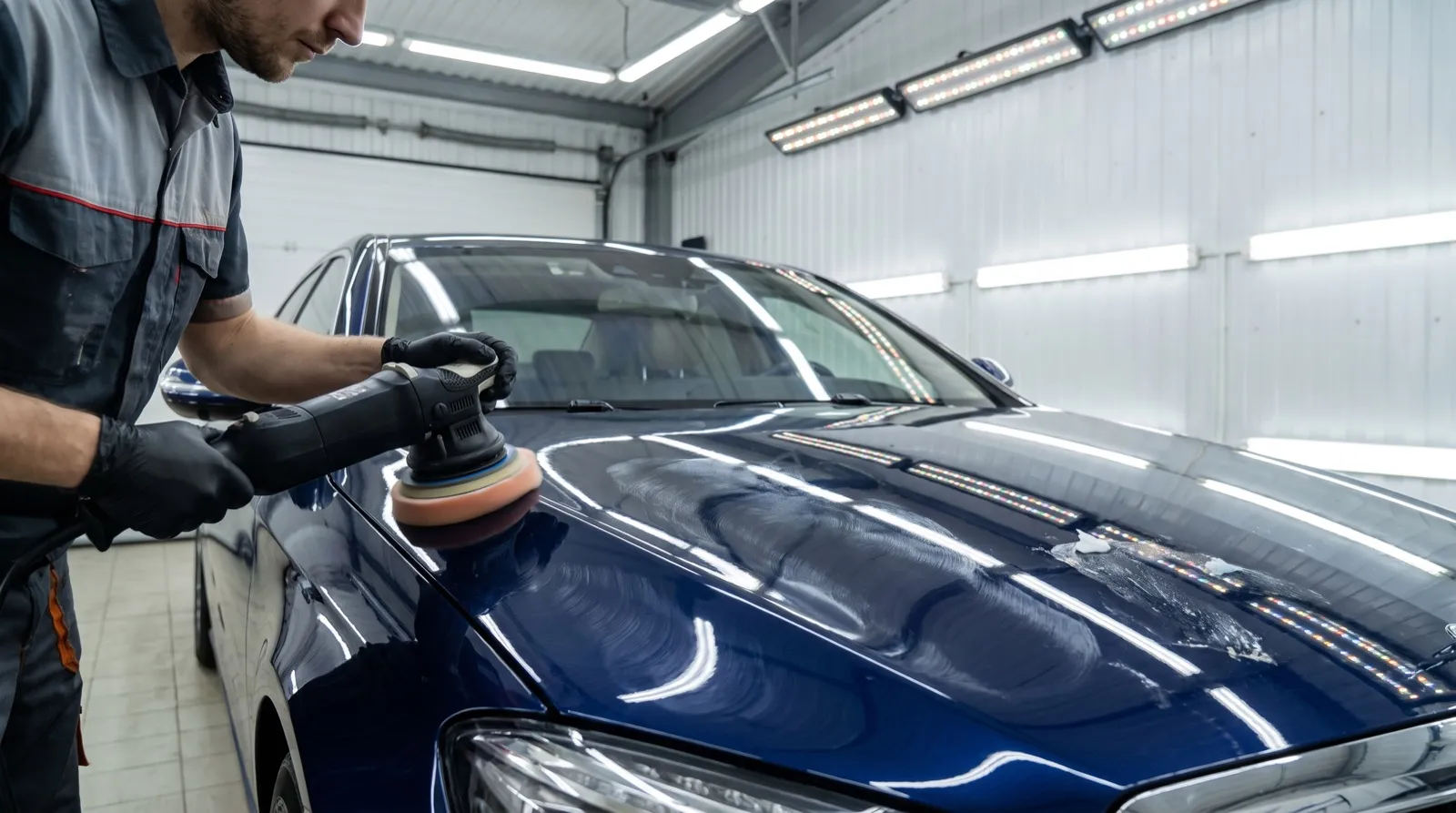
What ceramic coating does not do is stop physical damage. It is a thin, hard layer measured in microns, so it will not absorb a rock chip or a shopping-cart ding. It resists light wash marring, but it is not impact-proof. If you want the full picture on how coatings hold up locally, our guide on whether ceramic coating is worth it in the Texas heat digs into real-world longevity. Coatings also work best over corrected paint, which is why many owners pair one with paint correction to remove swirls before the coating locks the finish in.
Not Sure Which Protection Fits Your Car?
Tell us how you drive and where you park, and we'll recommend the right level of paint protection for your vehicle and budget. Serving Carrollton, Princeton, and the entire DFW metroplex.
Get a Free Consultation Or call us now: (972) 880-8083Level 3: Paint Protection Film (PPF)
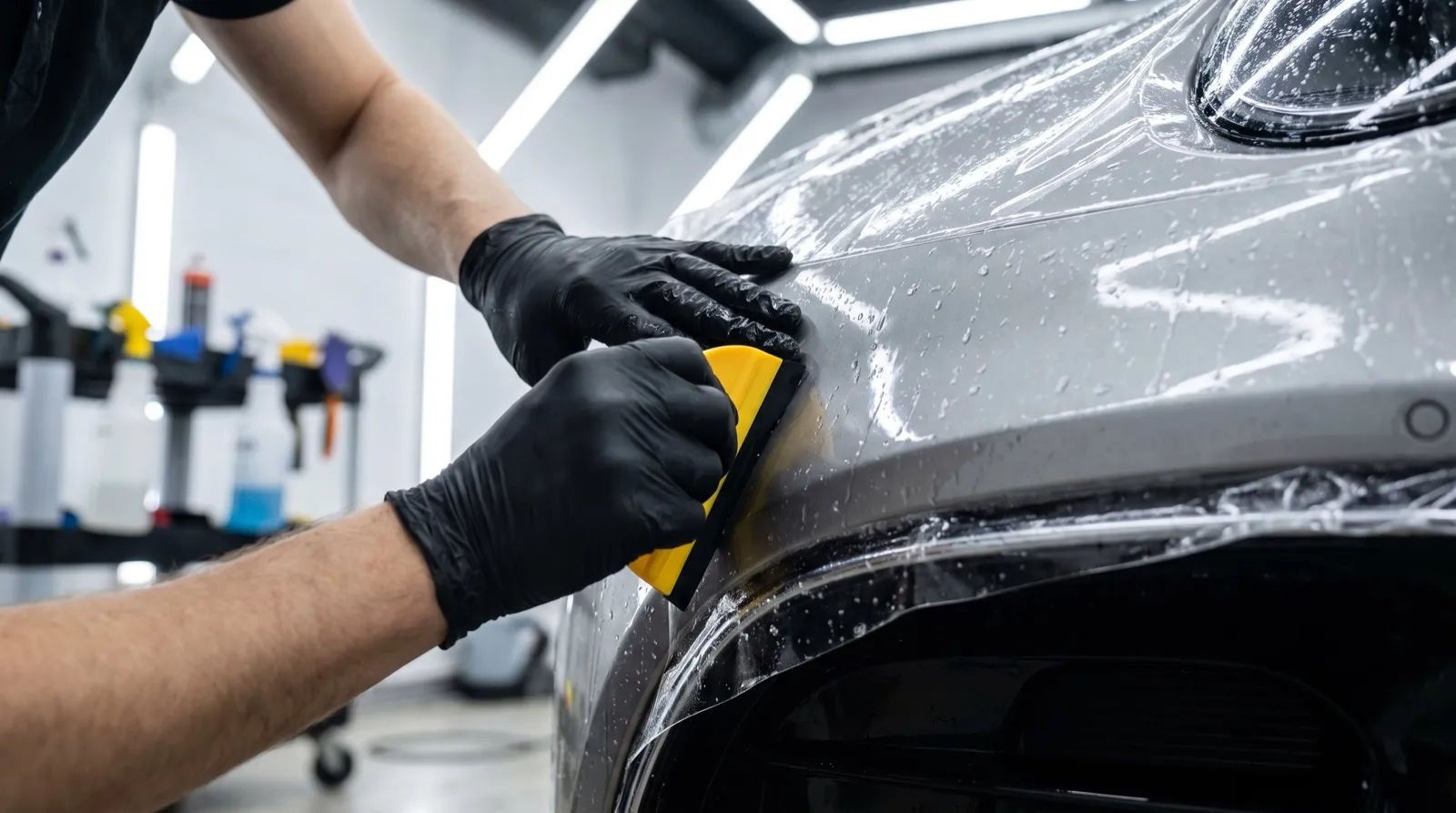
Paint protection film, sometimes called a clear bra, is a thick, clear urethane film applied directly over your paint. This is the only one of the three that offers true rock chip protection. Where wax and ceramic are thin surface treatments, PPF is a physical barrier thick enough to take the hit for your paint.
On DFW highways like the 121, the Dallas North Tollway, and I-35, rock chips and road debris are a daily reality. PPF absorbs those impacts before they reach the finish. Most quality films are also self-healing: minor scratches and swirl marks in the film disappear with heat from the sun or warm water, so the surface keeps looking fresh. To go deeper on how the film is installed and what it covers, see our paint protection film 101 guide.
Because film is the most involved to install and the most expensive per panel, most drivers do not wrap the entire car. Instead, PPF is applied to the high-impact areas that take the worst abuse: the full front end, hood, fenders, mirrors, and rocker panels. That targeted approach protects the parts most likely to get chipped without the cost of covering every square inch.
Ceramic Coating vs Wax vs PPF: A Side-by-Side Comparison
Here is how the three levels stack up across the things that actually matter when you are deciding. No two vehicles are identical, so treat these as general comparisons rather than fixed numbers.
Cost (lowest to highest)
Wax is the cheapest and can be done at home. Ceramic coating is a mid-range professional service. PPF is the most expensive, priced by how many panels you cover.
Longevity
Wax lasts weeks. Ceramic coating lasts years. PPF lasts several years and is the most durable of the three.
Type of protection
Wax gives light UV and water resistance. Ceramic adds strong UV, chemical, and hydrophobic protection plus gloss. PPF adds all of that plus physical impact and rock chip protection.
Gloss and shine
Wax gives a warm shine that fades quickly. Ceramic gives a deep, long-lasting glassy gloss. PPF adds a clear protective layer, available in gloss or matte, that keeps the paint underneath looking new.
Maintenance
Wax needs frequent reapplication. Ceramic makes washing easy and lasts for years with simple care. PPF is low-maintenance and self-healing on most quality films.
Why Ceramic and PPF Are Often Combined
The two top-level options are not really competitors. The smartest paint protection setups often use both together. PPF goes on the front end and other high-impact areas to handle rock chips and road debris, and a ceramic coating goes over the rest of the car, and frequently over the film itself.
That combination gives you the best of each. The film handles the physical hits where they happen most, while the coating adds UV protection, chemical resistance, and that hydrophobic, easy-clean surface everywhere. Layering ceramic on top of PPF also boosts the film's stain resistance and makes the whole vehicle simpler to wash. For a car you plan to keep, it is a setup that pays off over years of Texas weather.
Which Paint Protection Is Best for How You Drive?
There is no single right answer, only the right answer for your car, your budget, and your habits. A few honest scenarios we see across Carrollton, Princeton, Plano, Frisco, and McKinney:
- Weekend enthusiast who loves detailing. If you enjoy hand-waxing and keep the car garaged, wax plus occasional care may be enough, though a ceramic coating will save you a lot of repeated effort.
- Daily driver parked outside. Ceramic coating is usually the sweet spot. It stands up to the Texas sun, keeps washing quick, and protects your finish for years at a reasonable cost.
- Long highway commuter or new-car owner. If you rack up freeway miles or want to protect a vehicle you just bought, PPF on the front end plus a ceramic coating over the rest is the strongest combination.
- Leased or short-term vehicle. A ceramic coating protects your finish and keeps the car looking sharp through the lease without the larger investment of full film.
The right call also depends on where you park, how long you plan to keep the car, and how much chip risk your commute involves. That is exactly the kind of thing worth talking through before you spend anything. You can see the full range of options on our services page, or reach out and we'll help you weigh them.
Protecting Your Paint in Carrollton and Princeton
360PDR serves the Dallas-Fort Worth metroplex from two locations, in Carrollton and Princeton, and we handle all three levels of paint protection under one roof. Our process is simple: we look at your vehicle, ask how and where you drive, and lay out honest options with no pressure. Whether that means a ceramic coating, targeted PPF, or the two combined, you get a setup that actually fits your situation instead of an upsell.
Every coating and film we install is done by trained technicians and backed by our workmanship, so your paint stays protected through many more Texas summers.
Ready to Protect Your Finish?
From a quick ceramic coating to full front-end film, our team will build the right paint protection plan for your car. Reach out today for your free quote.
Get My Free Quote Prefer to talk? Call (972) 880-8083