Ask any DFW driver what the Texas sun does to a car and you'll hear the same complaints: faded paint, chalky headlights, and a finish that looks tired after a few summers. So the question comes up a lot at our shop: is ceramic coating worth it in the Texas heat? For most people who plan to keep their vehicle a while and want it to still look sharp down the road, the answer is yes. But there's a lot of marketing hype around coatings, so let's walk through what it actually does, where it helps, and where it doesn't.
360PDR applies ceramic coatings at our Carrollton and Princeton shops for drivers all over the metroplex, from Plano and Frisco to McKinney and Denton. Here's the honest breakdown before you spend a dime.
What Ceramic Coating Actually Is
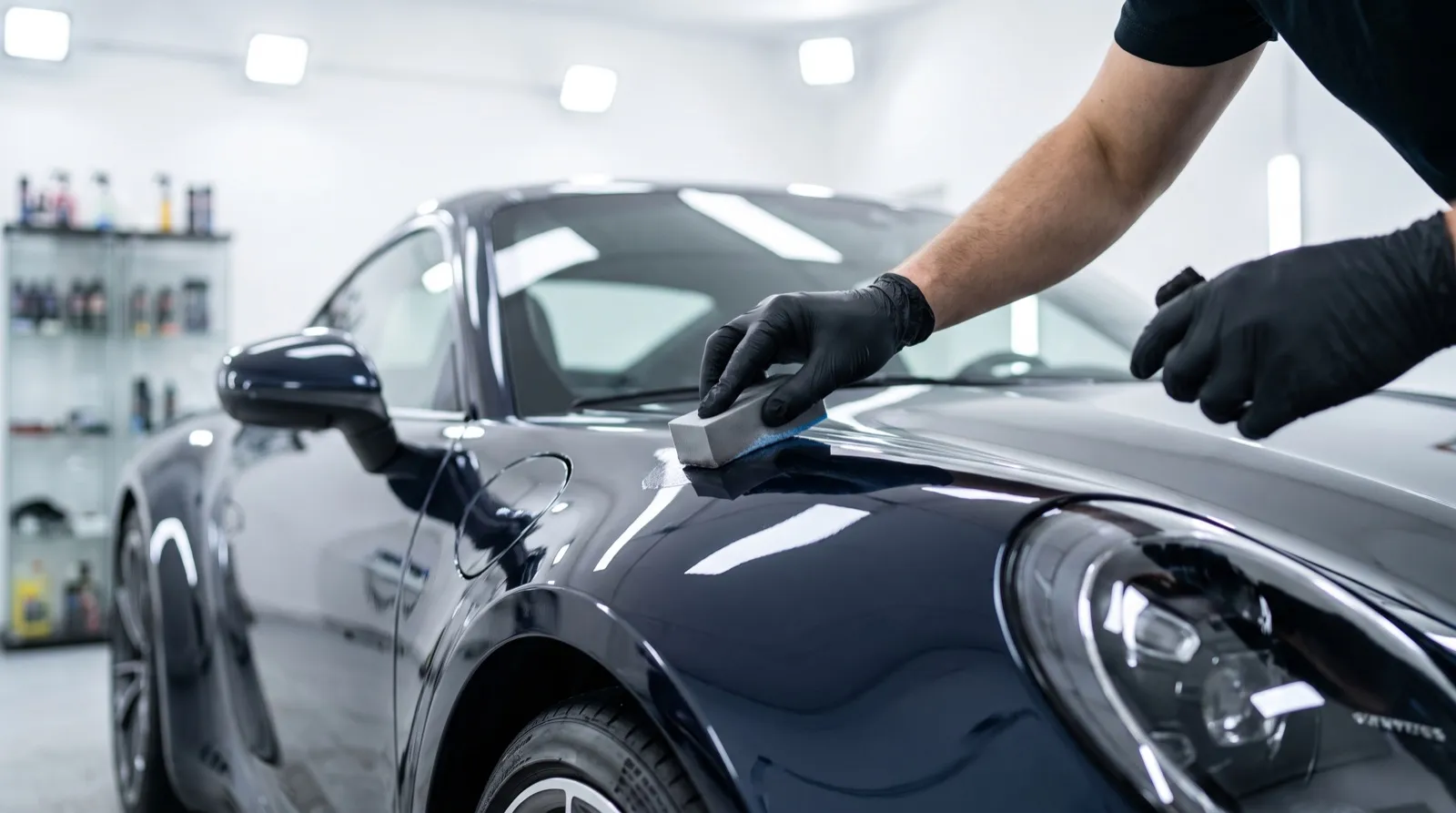
Ceramic coating is a liquid polymer, usually built around silica (SiO2), that chemically bonds to your vehicle's factory clear coat. Once it cures, it forms a thin, hard, transparent layer on top of the paint. Unlike wax, which sits on the surface and washes away in a matter of weeks, a quality coating is semi-permanent. It won't rinse off with soap and water, and it lasts for years, depending on the product and how you care for it.
That's the key difference. Wax is a short-term dressing. A ceramic coating is a bonded layer of protection that becomes part of the surface until it's mechanically removed or worn down over time. If you want a deeper side-by-side, we cover it in ceramic coating vs. wax vs. PPF.
Why the Texas Heat Is So Hard on Paint
This is where the DFW angle really matters. Our summers are long and brutal, and the conditions here attack a paint job from several directions at once:
- Texas sun and UV. Months of intense ultraviolet exposure break down the clear coat and cause oxidation and fading. Reds and dark colors show it first, but every finish takes a beating.
- Heat. Sitting in a parking lot in triple-digit heat bakes contaminants into the surface and accelerates wear.
- Bird droppings and tree sap. Both are acidic, and in the heat they etch into unprotected paint fast, sometimes within a day.
- Hard-water spots. Sprinkler overspray and mineral-heavy water leave crusty spots that bond to bare paint and are a pain to remove.
A car left unprotected in North Texas ages faster than the same car in a milder climate. That's exactly the problem a coating is designed to slow down. Between the summer heat, the sudden storms, and the mineral-heavy water most of the metroplex runs on, our finishes take punishment year round, not just in July and August.
Thinking About Coating Your Car?
Get a free, no-pressure quote on ceramic coating tailored to your vehicle and how you drive. Serving Carrollton, Princeton, and the entire DFW metroplex.
Request a Free Quote Or call us now: (972) 880-8083The Real Ceramic Coating Benefits
Marketing tends to oversell, so here are the ceramic coating benefits that genuinely hold up in Texas conditions:
- UV and oxidation resistance. The coating takes the brunt of the sun so your clear coat doesn't. This is the single biggest reason it's worth it here. It slows the fading and chalky oxidation that plague unprotected cars.
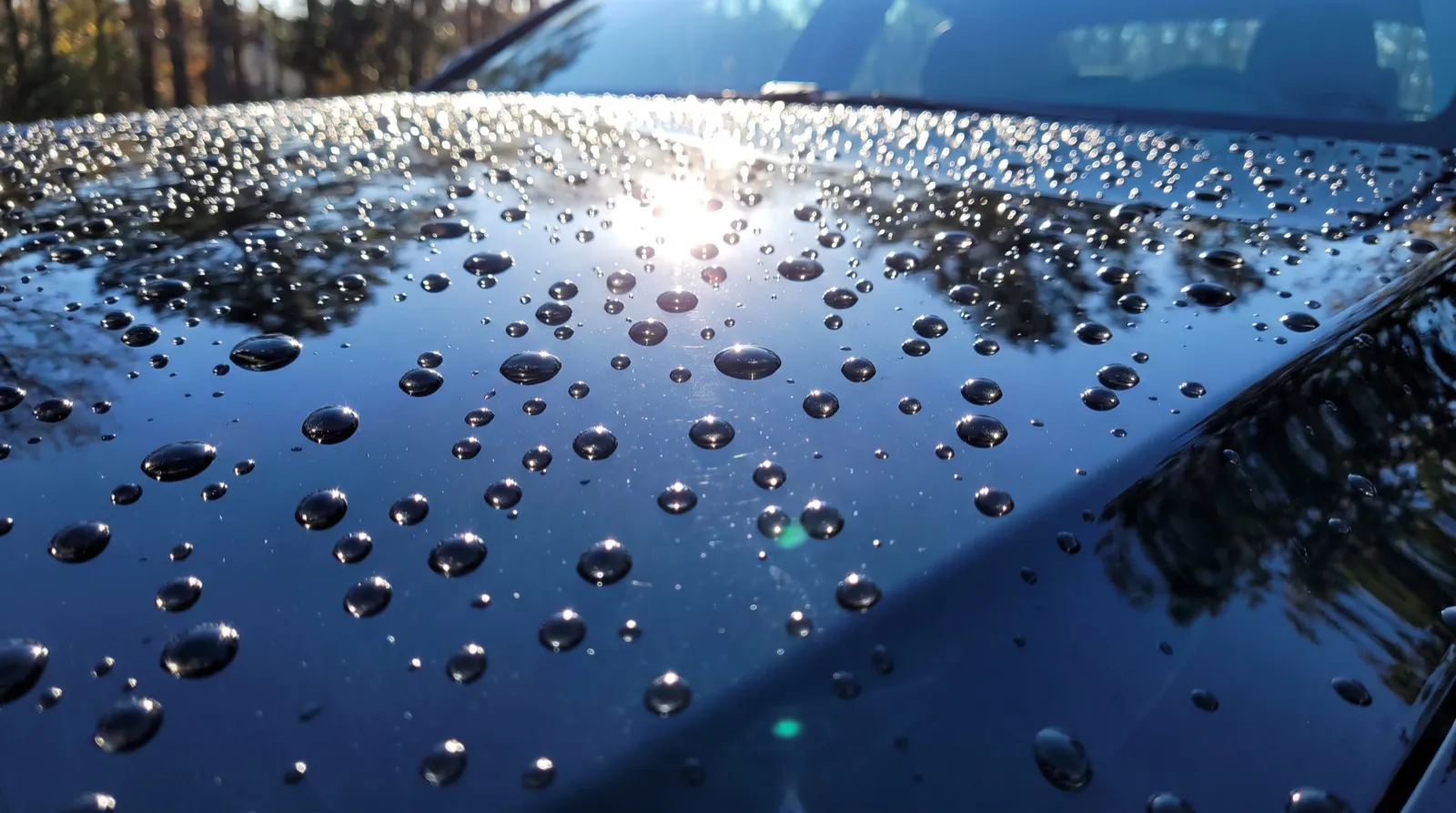
- Hydrophobic, easy cleaning. Water beads up and rolls off, carrying dirt with it. Your car stays cleaner longer and washes off with far less effort, which also means fewer wash-induced swirl marks.
- Gloss and depth. A properly prepped and coated finish has a deep, wet-looking shine that holds up over time instead of dulling out.
- Chemical-stain resistance. The slick, sealed surface gives bird droppings, sap, and hard-water minerals much less to grab onto, so you have a wider window to rinse them off before they etch.
- Mild scratch resistance. The hard layer helps fend off light marring from washing and daily use. Note the word mild, which brings us to the honest part.
The Honest Limits (What It Won't Do)
A good detailer will tell you what a coating can't do, not just what it can. Here's the straight talk:
- It is not scratch-proof. It resists light swirls, but it will not stop a key, a shopping cart, or aggressive scrubbing. Anyone promising scratch-proof is overselling.
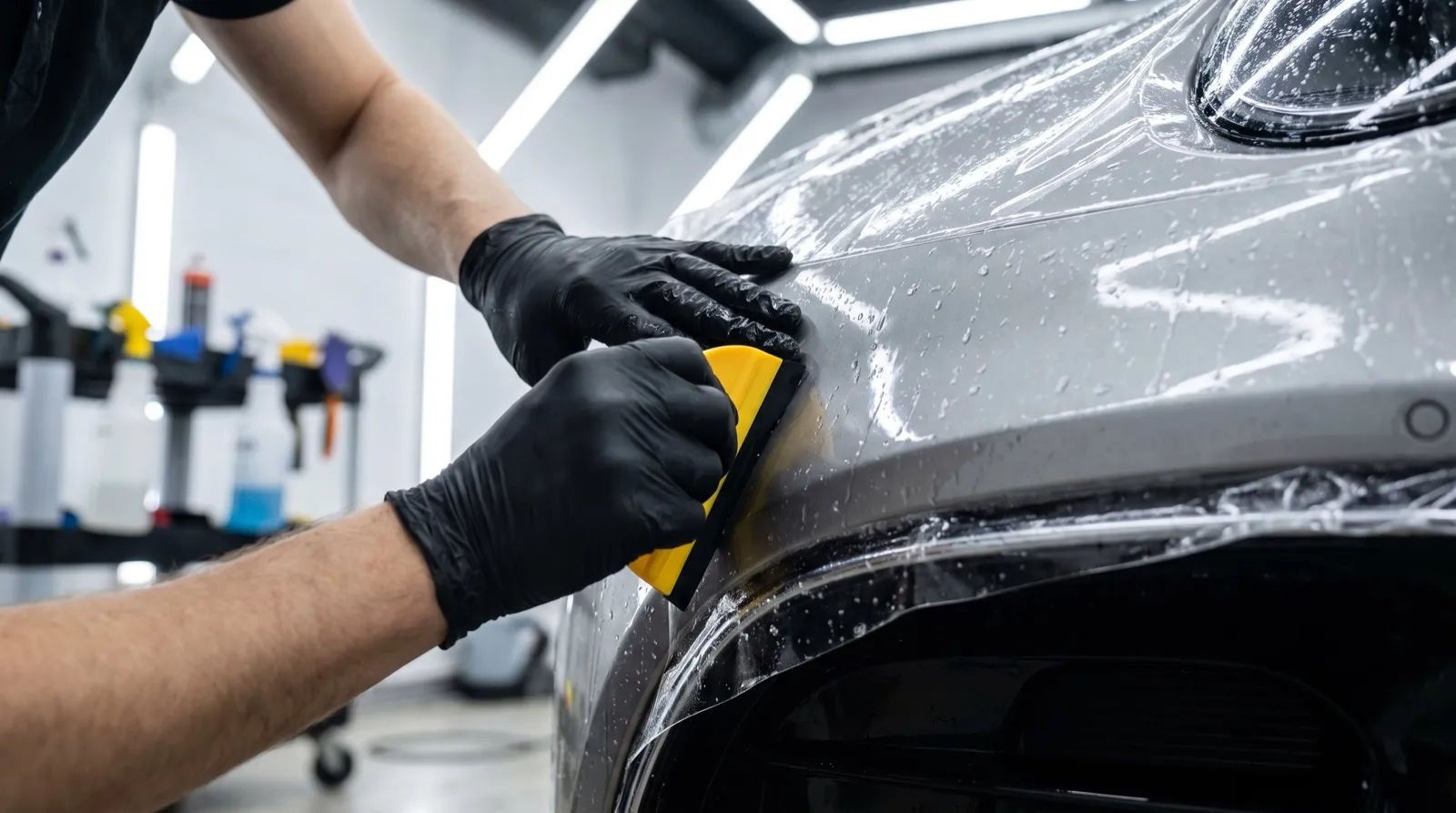
- It is not a substitute for PPF against rock chips. If your main worry is chips from highway gravel on I-35 or the Dallas North Tollway, you want paint protection film, which is a thick physical barrier. Coating and film solve different problems. Our paint protection film 101 guide explains where film fits.
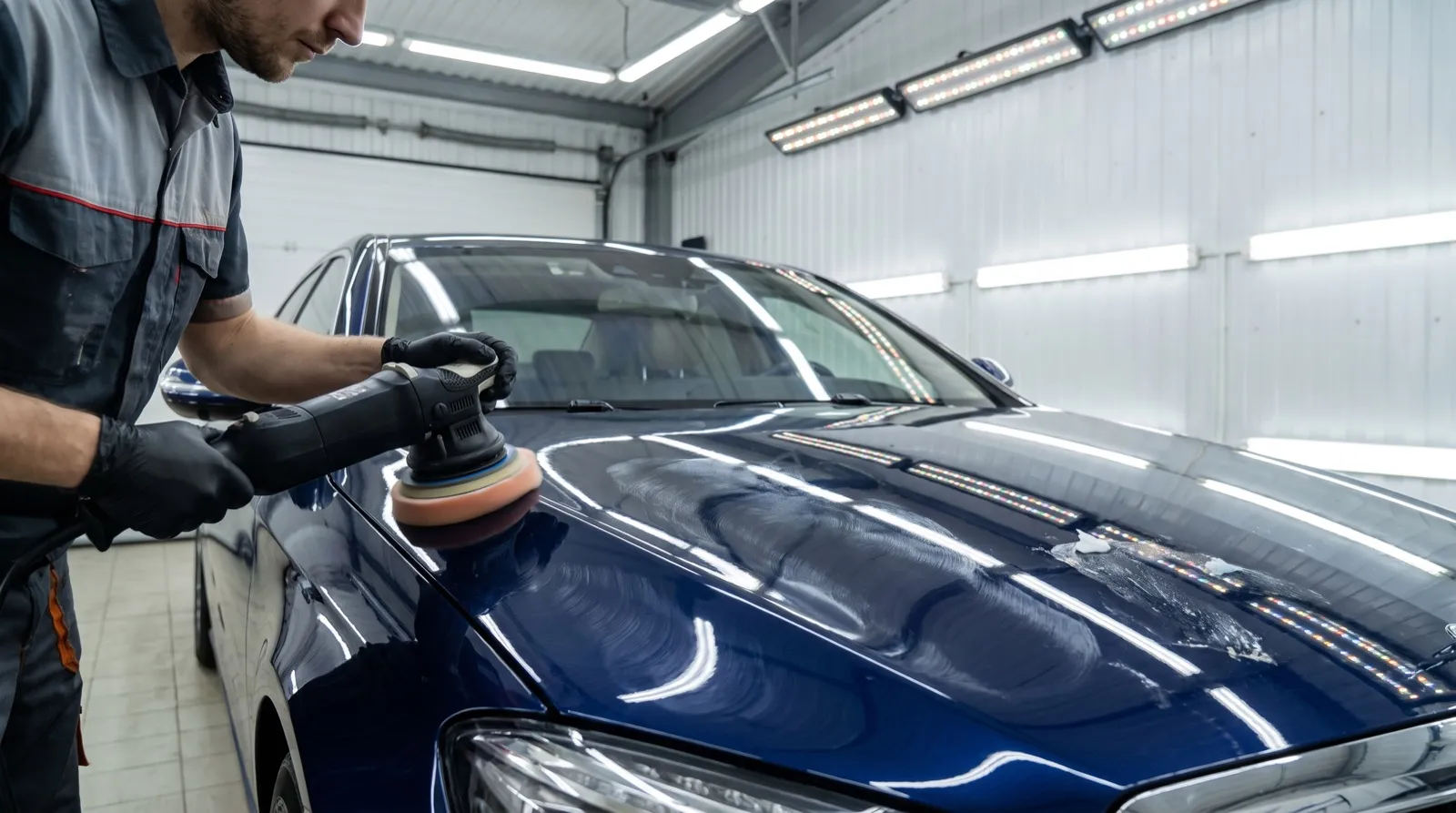
- It needs proper prep first. A coating locks in whatever is under it. If the paint has swirls or scratches, the coating seals them in. That's why good shops do paint correction before coating, so you're locking in a flawless finish rather than existing defects.
- It still needs maintenance. A coating cuts your workload, but it isn't a "set it and forget it" product. Basic upkeep, like regular gentle washes and the occasional maintenance product, keeps it performing for its full life.
So Is Ceramic Coating Worth It in Texas for You?
It comes down to how you use your vehicle and how long you keep it. Ceramic coating tends to be worth it if you:
- Plan to own your car for several years and want it to hold its looks and resale value.
- Park outside at work or home, where the Texas sun hits it all day.
- Are tired of constant waxing and want easier, faster washes.
- Just bought a new or near-new vehicle and want to protect the factory finish from day one.
If you flip cars every year or two and don't mind some weathering, the math is less compelling. For most DFW drivers keeping a vehicle long-term, though, the protection pays off in appearance and resale. Think of it less as a cosmetic upgrade and more as insurance against the one thing you can't control here, which is the sun beating down on your paint every single day.
What Ceramic Coating Costs
There's no single sticker price, because ceramic coating cost depends on real factors: the size of the vehicle, the condition of the paint, whether it needs correction first, and the grade and expected longevity of the coating you choose. A pristine new car needs far less prep than a sun-baked trade-in that requires correction before a drop of coating goes on.
Rather than quote a random number, we inspect the vehicle, tell you what prep it actually needs, and give you a written price up front. You can compare the paint services we offer on our services page.
Why Professional Application Beats DIY
You can buy a bottle of consumer coating online, and plenty of people do. The problem is that a coating is only as good as the prep and the application beneath it. Professionals decontaminate and correct the paint first, work in a controlled environment free of dust and direct sun, and apply the product evenly so it cures without high spots or streaking. Rushed DIY jobs in a hot Texas driveway often trap defects, flash before they're leveled, and leave uneven protection.
Done right, a professional coating gives you the even, durable, glossy layer the product is capable of. Done wrong, you've sealed in mistakes that are tough to fix. Given the sun we deal with in the metroplex, getting the foundation right is worth it.
At 360PDR, that foundation is where we spend most of our time. We wash and decontaminate the paint, correct the defects that matter, and only then lay down the coating in a clean, temperature-controlled bay. The application itself is quick compared with the prep, and that's by design, because the prep is what makes a coating last through Texas summer after Texas summer.
Protect Your Paint Before Summer Does Its Worst
Our team will assess your vehicle, handle any prep, and apply a coating built to stand up to the Texas sun. Reach out today for your free ceramic coating quote in Carrollton or Princeton.
Get My Free Quote Prefer to talk? Call (972) 880-8083