Spend a summer commuting on Texas highways and your front bumper takes a beating. Paint protection film, often called PPF or a clear bra, is the most effective way to shield your car's finish from the rock chips, gravel, and road debris that come with driving around the Dallas-Fort Worth metroplex. If you have ever followed a gravel truck down the President George Bush Turnpike and heard that sharp ping off your hood, you already understand the problem this product solves.
At 360PDR, we install PPF for drivers across Carrollton, Princeton, and the surrounding DFW communities. Here is a plain look at what the film actually is, how it protects your paint, and the coverage options worth considering.
What Is Paint Protection Film?
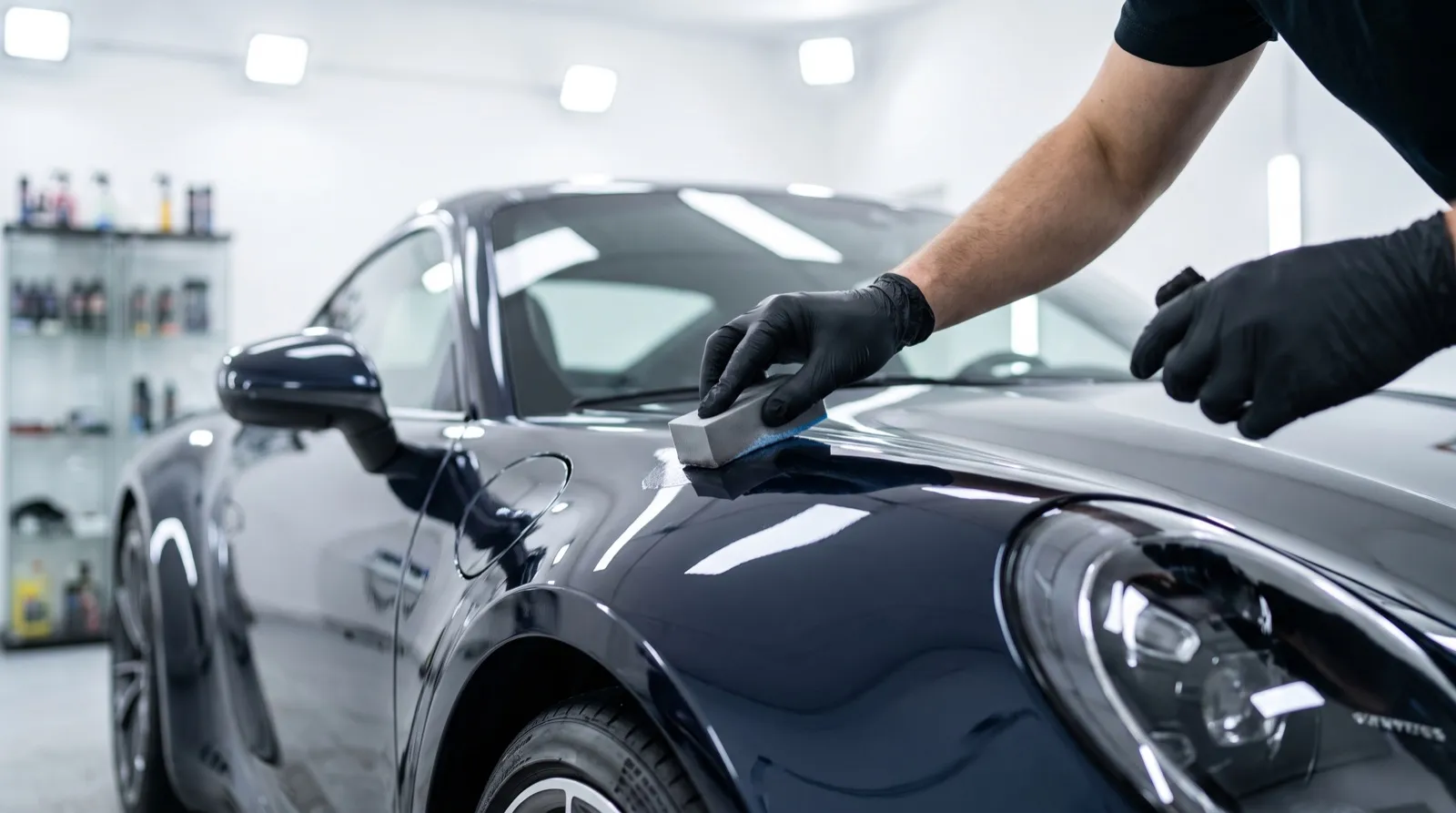
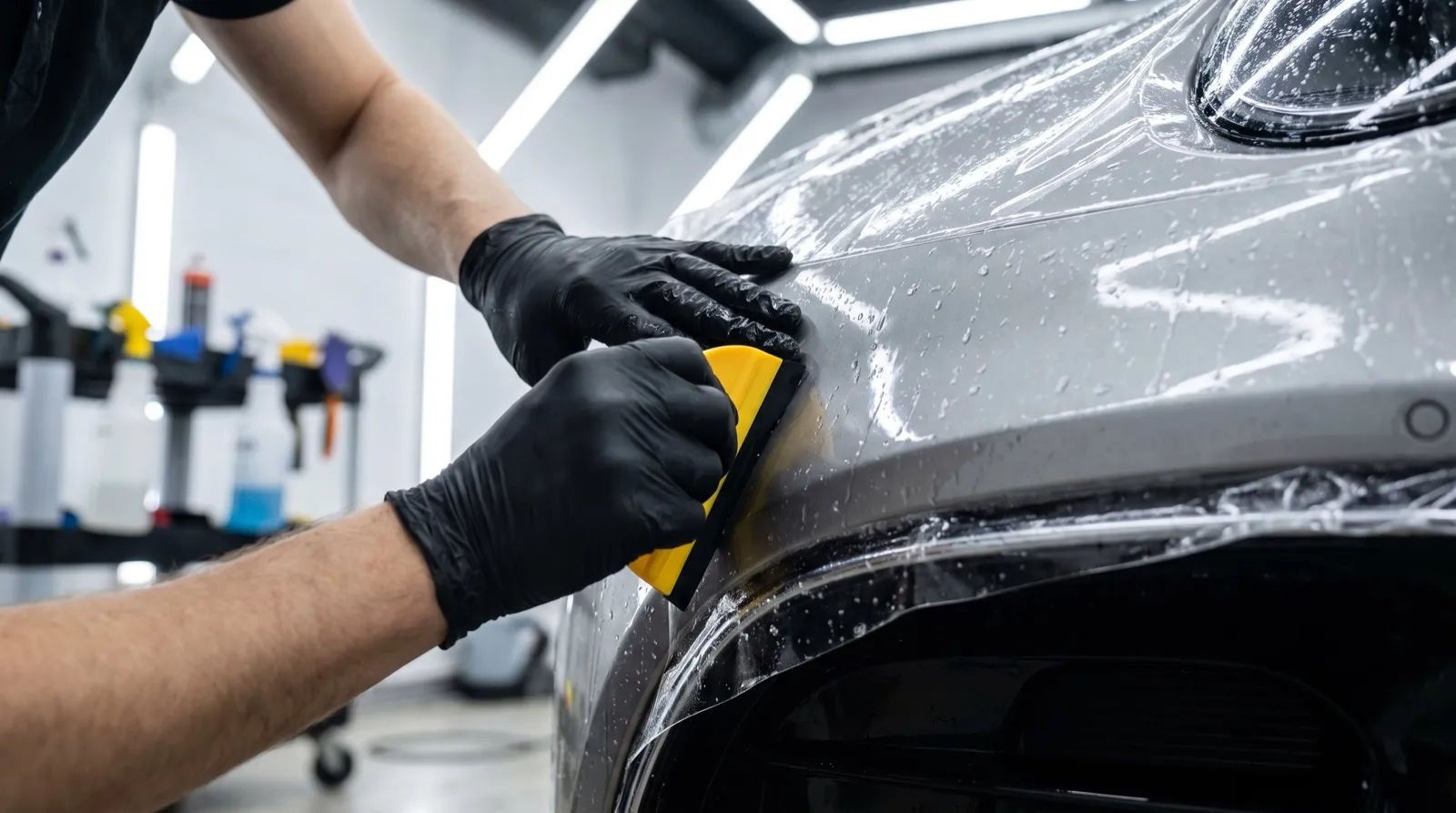
Paint protection film is a thick, clear thermoplastic urethane film that gets applied directly over your vehicle's painted surfaces. Think of it as a nearly invisible layer that takes the hits so your factory paint does not have to. The urethane film is flexible and tough, so it absorbs impacts that would otherwise leave a chip or scratch in the clear coat underneath.
Once it is installed correctly, most people cannot tell it is there. Good film conforms to the contours of a panel, wraps around edges, and stays optically clear. It is not a coating you brush or spray on. It is a physical sheet of material, cut to fit each panel and applied by hand.
The term "clear bra" comes from the early days of the product, when film was mostly used to cover the front of a car in a shape that resembled a bra. Modern film is far more advanced. Today's urethane film is thinner, clearer, and tougher than the early versions, and it can be applied almost anywhere on the vehicle. The name stuck even though the technology moved well past it.
The Problem PPF Solves for DFW Drivers
North Texas roads are hard on paint. Between constant highway construction, loose gravel on frontage roads, and the sheer number of miles most people put in around the metroplex, the front of your car is exposed to a steady stream of small projectiles. A single rock kicked up at 70 miles per hour can chip through the clear coat in an instant.
Paint protection film for rock chips takes that first hit. Beyond gravel and debris, the film also guards against a few other things DFW drivers deal with regularly:
- Rock chips and road debris from highways and construction zones.
- Bug acid and splatter, which can etch unprotected paint over a long summer.
- Minor scratches from car washes, brushing past the vehicle, or loading cargo.
- Road grime and salt that build up on lower panels and rocker areas.
The film does not stop a hailstorm, and it will not undo existing damage. For that side of the equation, see our guide on hail damage repair in Carrollton and Princeton. But for the everyday chips and abrasions that pile up over years of Texas driving, PPF is the front line of defense.
What makes the difference here is timing. A chip on unprotected paint exposes the layers underneath to moisture and grime, and a small chip can turn into a spreading spot of corrosion over time. Film stops that chain of events before it starts, which is why so many drivers add it right when they buy a new car rather than waiting until the front end already looks sandblasted.
Want to Protect Your Front End?
Send us a few photos of your vehicle and we'll put together a no-pressure PPF quote. Serving Carrollton, Princeton, and the entire DFW metroplex.
Request a Free Quote Or call us now: (972) 880-8083How Self-Healing Film Works
One of the features that surprises people most is the self-healing top coat. Quality paint protection film is built with an elastomeric top layer that can recover from light swirls and fine scratches on its own. When the surface picks up minor marks from a wash mitt or a stray fingernail, heat lets the film relax back into shape and those light swirls disappear.
In practice, the heat can come from the Texas sun, a warm rinse, or a heat gun. It is not magic, and it will not repair a deep gouge or a cut that goes all the way through the film. What self-healing film does well is keep the surface looking fresh through the small day-to-day abrasions that would otherwise dull your paint over time.
Common Coverage Options
PPF does not have to cover the whole car. Most drivers pick a package based on where their vehicle actually takes damage and what fits their budget. Here are the coverage options we install most often:
- High-impact areas. This targets the spots that get hit the most: the front bumper, a strip of the leading hood, side mirrors, door edges, and sometimes the rocker panels. It is a smart, focused way to get front bumper protection without wrapping the entire vehicle.
- Partial-front. A step up that covers the bumper plus a portion of the hood and fenders, blending the film into a natural line partway up the panel.
- Full-front PPF. This wraps the entire hood, full fenders, front bumper, and mirrors. It is the most popular choice for drivers who log a lot of highway miles, since it protects everything that faces oncoming gravel.
- Full-body. The complete package, covering every painted panel for owners who want maximum protection on a new or high-value vehicle.
There is no single right answer. A daily commuter running I-35 every morning has different needs than a weekend car that mostly sits in the garage. We walk you through the tradeoffs so the coverage matches how you actually drive.
PPF vs. Ceramic Coating
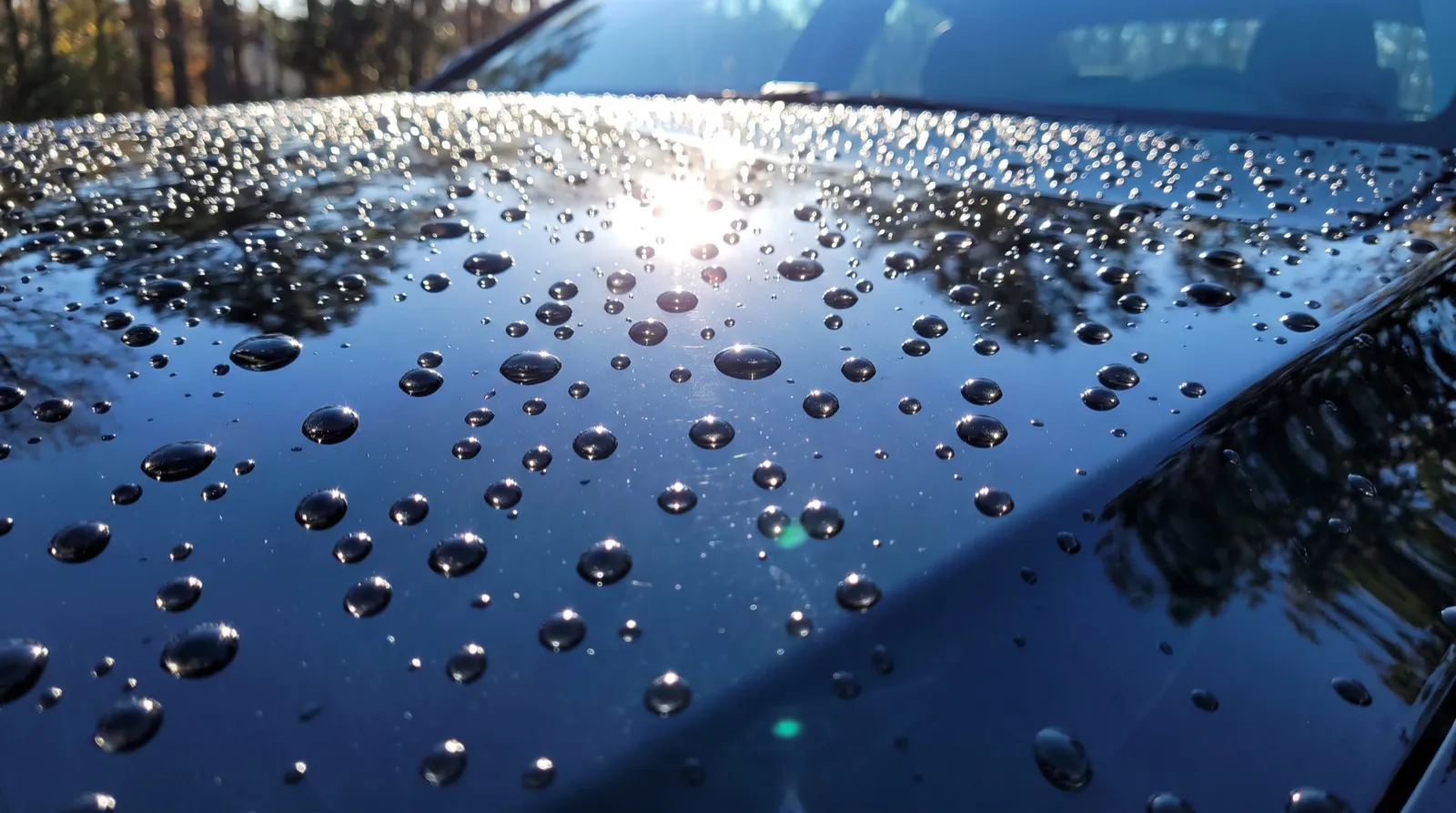
People often ask whether they need PPF or a ceramic coating. The short version is that they do different jobs. Paint protection film is a physical barrier built to absorb impacts and stop rock chips. A ceramic coating is a thin chemical layer that adds gloss, makes the surface easier to clean, and helps water bead off, but it does not stop a rock from chipping the paint.
Many drivers use both: film on the high-impact front panels for physical protection, and a ceramic coating over the rest for shine and easier upkeep. If you are weighing your options, our breakdown of ceramic coating vs. wax vs. PPF lays out exactly which product does what, and whether a ceramic coating is worth it in the Texas heat.
Why Professional Installation Matters
PPF is only as good as the install. The film has to be cut precisely, aligned to each panel, and wrapped cleanly around edges so it holds up and stays invisible. Air pockets, lifted edges, and misaligned seams usually trace back to a rushed job rather than a bad product.
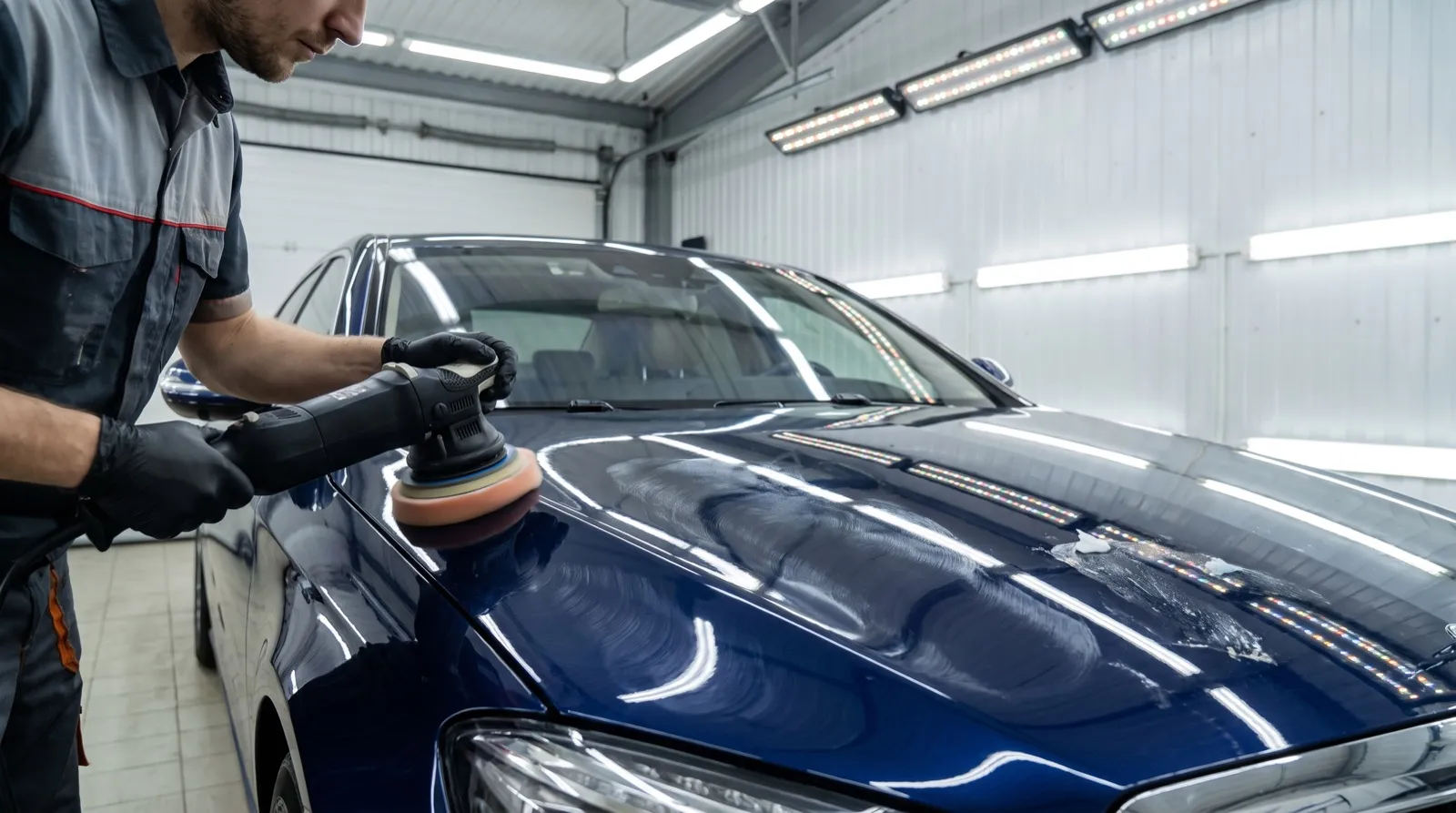
Prep is just as important as the application. The paint has to be thoroughly cleaned and decontaminated first, because any dirt or contaminant trapped under the film stays there. On vehicles that already have swirls or light scratches, we sometimes recommend paint correction before installation, so the film goes over a flawless surface and the finish looks its best underneath. You can see the full range of what we offer on our services page.
Care and Longevity
Once installed, quality film is low-maintenance. You wash it like the rest of your car, though it is best to let fresh film cure for a short period before the first wash and to avoid harsh, abrasive products. With normal care, good paint protection film lasts for years, and reputable manufacturers back their film with a warranty. Longevity depends on the film grade, the coverage, and how the vehicle is driven and stored, so we go over realistic expectations for your specific setup before any work begins.
Ready to Guard Your Paint?
Whether you want front bumper protection or full-front PPF, our team will recommend the right coverage for how you drive. Reach out today for your free DFW PPF estimate.
Get My Free Quote Prefer to talk? Call (972) 880-8083