Tint makes a real difference in North Texas. Between the summer heat, the low winter sun, and long commutes across the metroplex, a good film keeps your cabin cooler and your eyes out of the glare. But before you pick a shade, you need to know the Texas window tint laws that decide what's actually legal to put on your car. Go too dark and you risk a failed inspection, a ticket, and the cost of stripping the film back off.
This guide breaks down the rules in plain English for drivers in Carrollton, Princeton, and the rest of DFW: how dark you can go on each window, the reflectivity and color limits, how medical exemptions work, and why the film you choose matters as much as the shade. Let's start with why so many Texas drivers tint in the first place.
Why Window Tint Matters in Texas
Summer in the Dallas-Fort Worth area is no joke. Interior temperatures climb fast when a car bakes in a parking lot, and that heat wears on your dashboard, seats, and electronics over time. Quality tint cuts the heat that gets through the glass, so your air conditioner works less and your cabin cools down quicker.
There's more to it than comfort. Tint blocks a large share of ultraviolet rays, which protects your skin on long drives and slows the fading and cracking that UV does to your interior. It also cuts glare from the sun and from headlights at night, which makes driving safer. And it adds a layer of privacy, keeping bags and gear on the seats out of plain view. All of that is why tint is one of the most requested add-ons we see at 360PDR.
What Texas Window Tint Laws Actually Say
Tint darkness is measured by VLT, or Visible Light Transmission. That's the percentage of light the film lets pass through the glass. A higher VLT number means a lighter tint that lets more light in; a lower number means a darker film. So a window at 25% VLT is much darker than one at 70%. Getting the legal tint percentage in Texas right comes down to matching the film to each window's rule.
Here's how it works for most passenger cars:
- Front side windows (driver and passenger): the film must allow more than 25% of light through. In other words, VLT above 25%. This is the window most likely to get you a ticket if it's too dark.
- Windshield: you're allowed a tint strip along the top, above the manufacturer's AS-1 line (roughly the top five inches of the glass). The rest of the windshield must stay clear.
- Back side windows and rear window: on most passenger cars, any darkness level is allowed. There's no VLT minimum here, so you can go as dark as you like.
Texas Tint Limits at a Glance
- Front side windows: must let more than 25% of light through (VLT above 25%).
- Windshield: tint strip only, above the AS-1 line (about the top five inches).
- Back side and rear windows: any darkness allowed on most passenger cars.
- Reflectivity: front and back side windows must not be more than 25% reflective.
- Colors: no red, blue, or amber tint on the windshield.
- Medical exemption: darker tint is allowed with proper documentation.
A quick disclaimer: this is general information to help you plan, not legal advice. Tint laws can change, and enforcement details vary. Always confirm the current rules with the Texas Department of Public Safety (Texas DPS) before you have any film installed.
Reflectivity and Color Rules
Darkness isn't the only thing regulated. Tint reflectivity is capped too. Some films use a metallic layer that gives the glass a mirror-like, shiny finish. Under Texas rules, the front side and back side windows must not be more than 25% reflective. A film that throws back too much light like a mirror crosses the line, even if the darkness itself is fine.
Color matters on the windshield specifically. Red, blue, and amber tint colors are not allowed on the windshield. A neutral windshield strip is the safe choice. If you want a particular look, talk it through with your installer first so you don't end up with film that has to come off.
Medical Exemptions for Extra Tint
Some drivers need more UV protection than the standard limits allow, whether for a skin condition, an eye sensitivity, or another medical reason. Texas allows medical exemptions for these situations. With the proper documentation, a driver can legally run darker tint on windows that would otherwise be restricted.
If you think you qualify, gather your paperwork before the install and keep it in the vehicle. That documentation is what backs you up if an officer questions the tint darkness. Because the process and paperwork requirements can change, check the current medical exemption details with Texas DPS so you know exactly what you need.
Want Tint That Stays Legal?
Not sure how dark you can go on your specific vehicle? Our team will walk you through the rules and recommend a film that keeps you compliant and comfortable. Serving Carrollton, Princeton, and all of DFW.
Get a Free Tint Quote Or call us now: (972) 880-8083What Happens If Your Tint Is Too Dark
Going darker than the law allows on the front side windows or windshield can catch up with you in a couple of ways. Texas vehicle inspections check tint, so film that's out of spec can fail you and hold up your registration. On the road, an officer can measure your tint with a meter and write a ticket for illegal film, and you'd still have to pay to remove or replace it afterward.
Here's a detail worth knowing before you install: meters vary between devices, and tint darkens slightly as it cures over the first days. A film that measured right at the limit fresh off the roll can end up reading a touch darker later. That's why installing a shade slightly lighter than the minimum is smart. It gives you a small buffer so a borderline reading doesn't turn into a failed inspection.
Cheap Dyed Film vs. Quality Ceramic Tint
Two films can look identical in the parking lot and perform nothing alike in a Texas July. The difference is what the film is made of.
Basic dyed film is the budget option. It darkens the glass and gives you privacy, but it does less to block heat, and the dye tends to fade to a purple or brown tone and bubble over time, especially under our sun. A film that peels or discolors after a year isn't a deal, it's a redo.
Quality ceramic and heat-rejection films are built differently. They use ceramic particles that block a much larger share of infrared heat and UV without needing a metallic layer, so you get strong heat rejection while staying within the reflectivity rules. Ceramic film holds its color, resists bubbling, and keeps the cabin noticeably cooler on a hot day. For drivers dealing with the Texas heat, that heat-rejection performance is the whole point. If you appreciate what a good ceramic finish does for your paint, the same logic applies to your glass. Our take on ceramic coating in the Texas heat covers that protection side in more detail.
Why a Professional Tint Shop Is Worth It
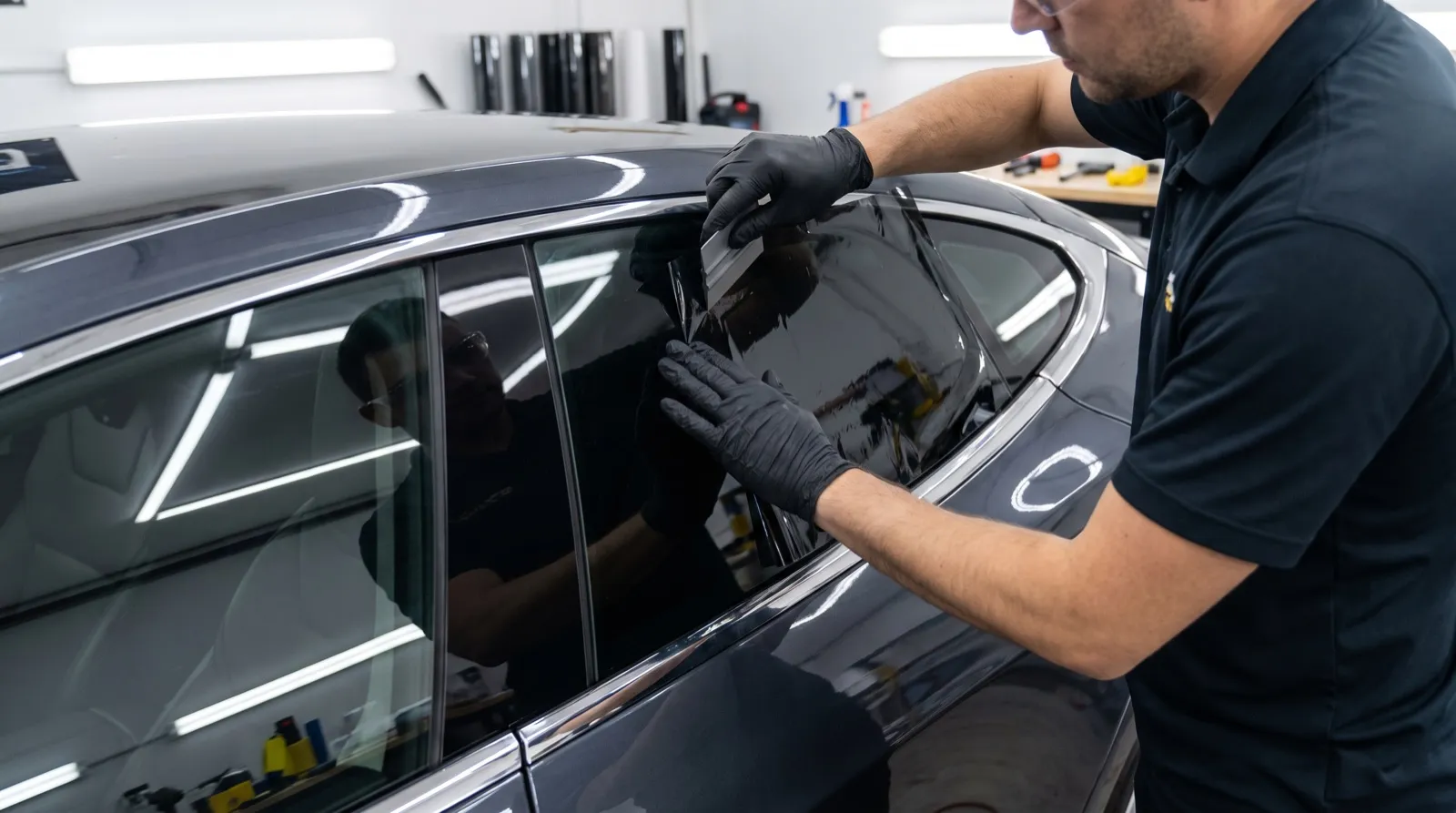
Tint is one of those jobs where the install matters as much as the film. A professional shop keeps you legal by matching the right VLT to each window and steering you away from shades and finishes that fail inspection. Just as important, an experienced installer delivers an even, bubble-free result that hugs the glass, wraps cleanly into the edges, and doesn't peel at the corners.
A rushed DIY kit or a bargain shop often leaves creases, dust specks, and lifting edges that get worse with every hot day. Done right, DFW window tint should look factory-clean and last for years. At 360PDR, we handle tint at both our Carrollton and Princeton locations, and we can talk through the legal limits and the film options together so you get a result that looks great and keeps you compliant. You can see our full lineup on our services page, or reach out for a free quote whenever you're ready.
Ready to Beat the Texas Heat?
Cooler cabin, less glare, better UV protection, and film that stays within the law. Tell us about your vehicle and we'll put together a no-pressure tint quote today.
Request My Free Quote Prefer to talk? Call (972) 880-8083