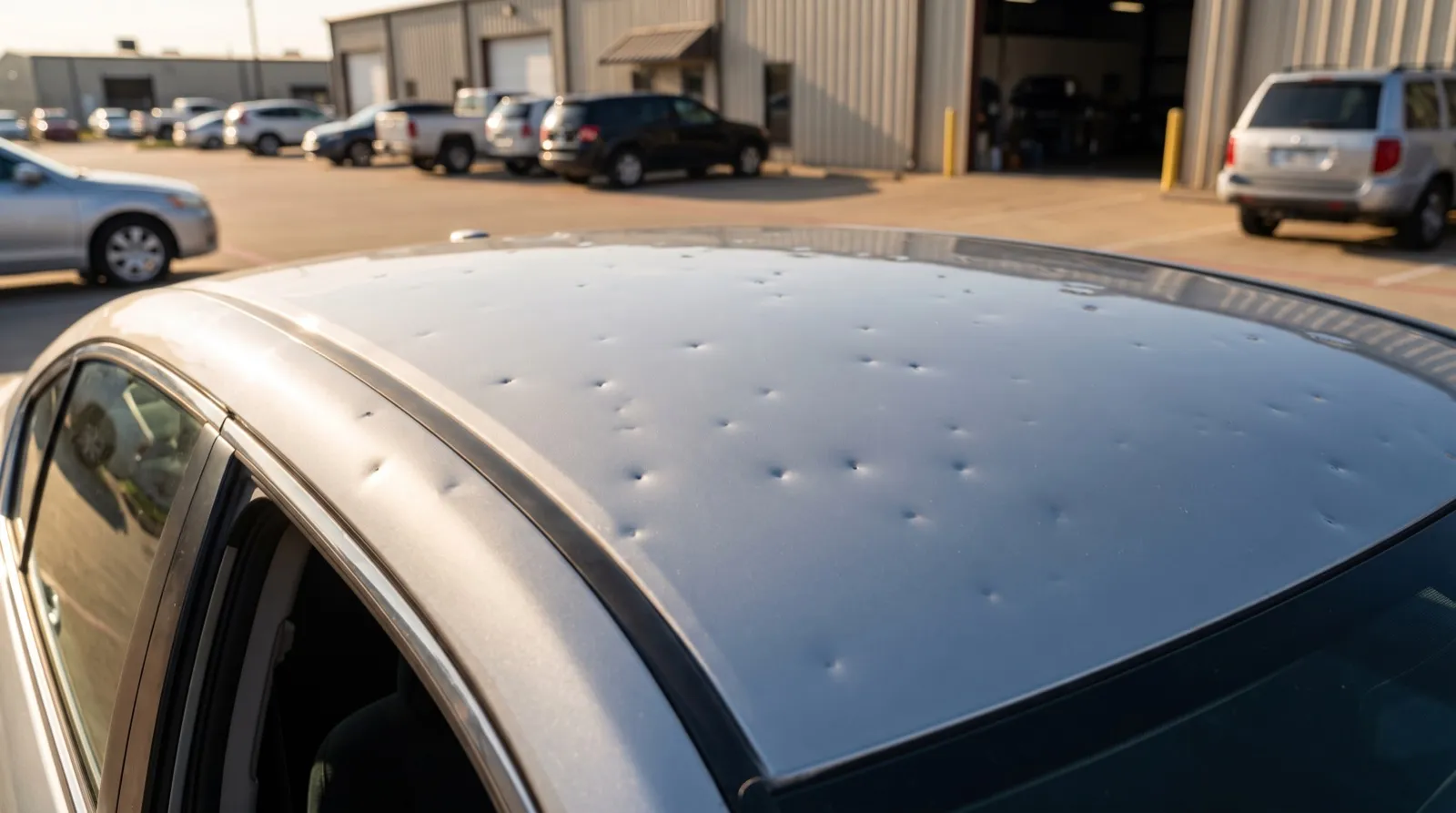
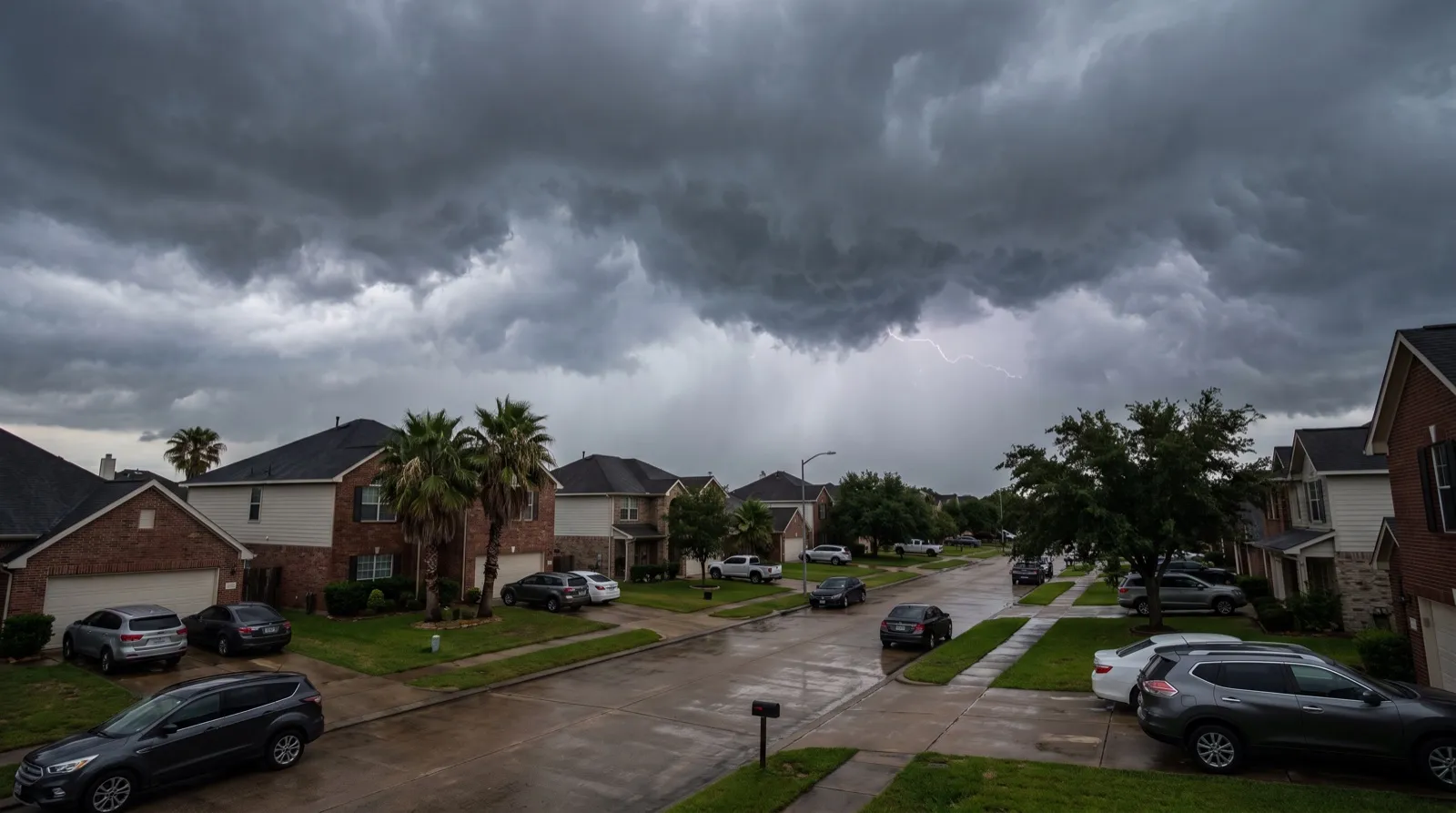
Every spring, drivers across the Dallas-Fort Worth metroplex watch the sky and wonder whether the next storm is the one that dents the car. Texas hail season is real, it is predictable enough to plan around, and a little preparation goes a long way. You can't stop a hailstorm, but you can decide ahead of time where your vehicle will be when one arrives. This checklist walks through how to prepare your car for hail before, during, and after a storm so a bad afternoon doesn't turn into a season of body-shop visits.
At 360PDR, we repair a lot of North Texas hail damage every year, and the pattern is always the same: the drivers who thought about it in advance lose a lot less sleep. Here's what to do.
When Texas Hail Season Runs
In North Texas, hail is most common through spring and into early summer. That's the stretch when the big thunderstorms build, and it's when we see the most cars come in with fresh dents. That said, hail doesn't read a calendar. Storms can pop up outside the peak months, so it's smart to keep a basic plan in place year-round rather than only from March to June.
The takeaway for DFW drivers is simple: treat the spring storm window as your busy season for caution, but don't assume a summer or fall sky is automatically safe. The storms that bring hail also tend to move fast, which is another reason to have a plan in place rather than trying to invent one when the wind picks up.
It also helps to think of hail preparation the same way you think of any other seasonal habit. You don't wait for the first freeze to look for your ice scraper, and the same logic applies here. A few small decisions made on a quiet week save you from a frantic dash across a parking lot with ice bouncing off the hood.
Why North Texas Gets So Much Hail
The metroplex sits in a zone where warm, moist air moving up from the Gulf runs into cooler, drier air pushing down from the plains. When those two collide, they feed tall, powerful thunderstorms, and those are exactly the storms that produce hail. Cities like Carrollton, Princeton, Plano, Frisco, McKinney, and Denton all sit in this collision zone, which is why hail feels like a regular part of life here rather than a rare event.
If you want the full picture of how those storms turn into dented hoods and roofs, our guide to hail damage repair in Carrollton and Princeton breaks down what actually happens to your paint and panels.
The Before-a-Storm Prep Checklist
Most of the work of protecting your car from hail happens on a calm, sunny day, long before a storm shows up. Get these things sorted now and you'll be able to act fast when a warning hits.
Your Hail-Prep Checklist
- Know your covered parking. Map out where you can put the car under a roof at home, at work, and along your regular routes. A garage, carport, parking deck, or even a covered gas station awning can make the difference.
- Clear the garage. A garage only helps if the car fits. If yours has slowly filled with boxes and bikes, clear enough space now so you can actually pull in when it counts.
- Keep a hail blanket ready. Store a purpose-made hail car cover or a few thick moving blankets somewhere easy to grab. Layered over the hood, roof, and trunk, they absorb a lot of impact when no covered parking is available.
- Turn on weather alerts. Enable severe-weather notifications on your phone and follow a local forecaster. A few minutes of warning is often all you need to move the car.
- Confirm your comprehensive insurance. Hail is typically covered under the comprehensive part of an auto policy, not collision. Check that you carry comprehensive coverage and know your deductible before storm season, not after.
- Have a move-it plan. Decide in advance where the car goes when a warning drops, and make sure everyone who drives it knows the plan too.
None of these steps take long, and together they turn a scramble into a routine. The goal is to remove decisions from the moment when you have the least time to make them.
Already Have Hail Dents? Get a Free Estimate
If a storm already got to your car, send us a few photos and we'll get you a no-pressure quote within 24 hours. Serving Carrollton, Princeton, and the entire DFW metroplex.
Request a Free Quote Or call us now: (972) 880-8083What to Do During a Hail Warning
When a warning actually hits, keep it simple and move quickly. The single most effective thing you can do is get the vehicle under solid cover, so head for your garage, carport, or the nearest parking deck as soon as you safely can. If you're already home and covered parking isn't an option, throw your hail blanket over the car and weigh the edges down.
A couple of things to avoid. Don't go driving into a storm to run an errand you could put off, and don't chase a break in the clouds that might not last. And if you're on the road when hail starts, resist the urge to rely on a flimsy cover at highway speed. Lightweight tarps flap loose and can scratch the paint or fly off entirely. A sturdy overpass or covered structure is a better bet than a cover that won't stay put.
If you do have a proper hail blanket on hand and you're parked, that's the moment to use it. Drape it over the roof, hood, and trunk, which are the flat surfaces that take the worst of a storm, and tuck or weigh down the edges so a gust doesn't peel it back. It won't stop every dent, but it noticeably softens the blow, and softer impacts mean smaller, shallower dents that are quicker and cheaper to fix later.
What to Do After Hail Hits
Once the storm passes and it's safe to go outside, start documenting. Take clear photos of every panel in good light and note the date of the storm. That record is what makes an insurance claim go smoothly later. Small dents are easy to talk yourself out of, but don't ignore them. Even minor hail damage drags down resale value, and if the paint cracked anywhere, moisture can eventually lead to rust.
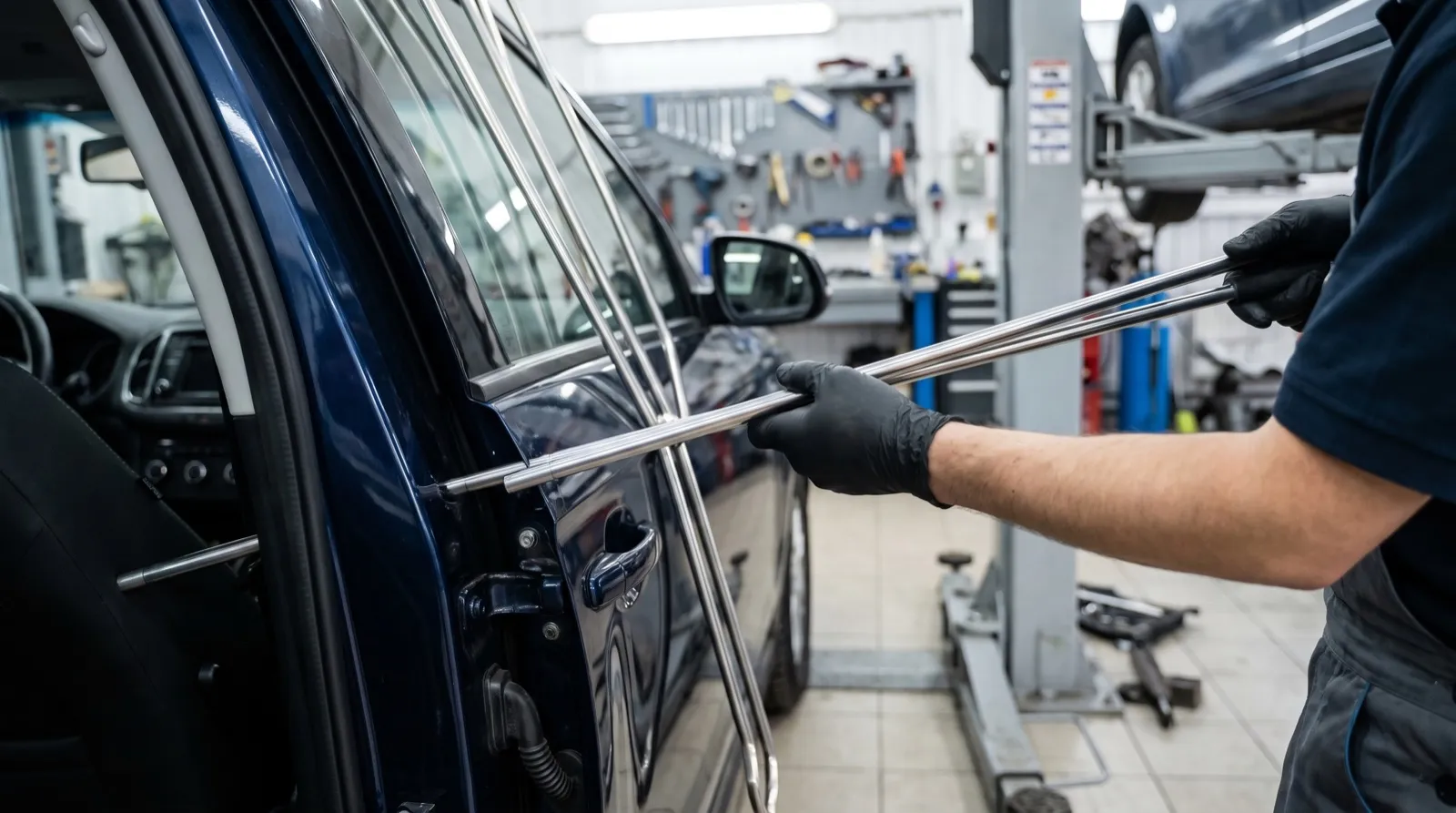
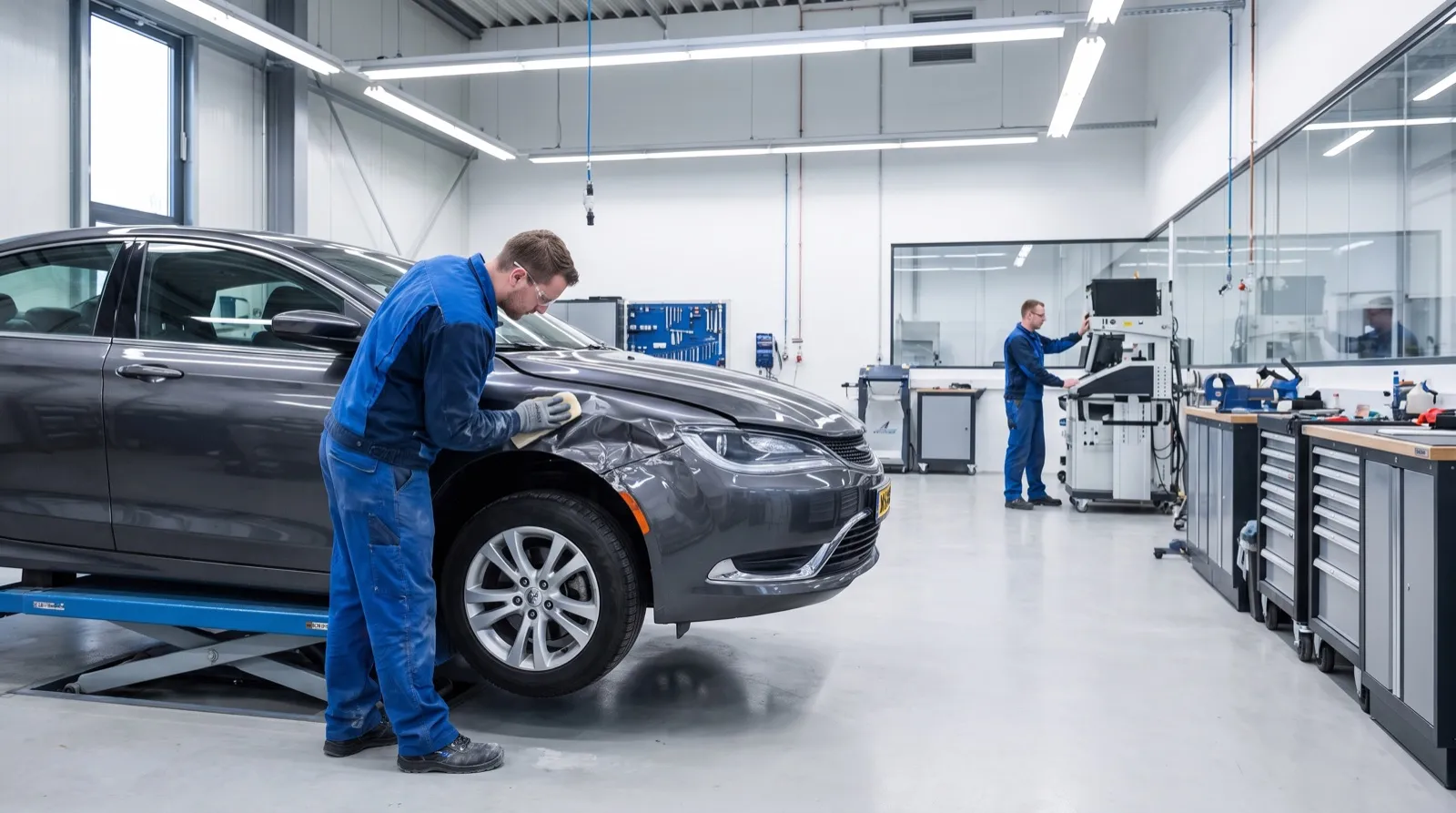
Get the car inspected rather than guessing at the extent of the damage. A close look in proper lighting almost always turns up more dents than a quick glance in the driveway. From there you can decide on repairs. In the large majority of hail cases, paintless dent repair restores the panels without any repainting, which keeps your factory finish intact and usually costs less than traditional bodywork. If the storm was severe enough to crack paint or damage trim, it's worth understanding how those bigger jobs are priced, which our overview of collision repair costs in DFW covers in detail.
How 360PDR Helps After a Storm
When hail does get your car, we make the repair the easy part. 360PDR serves the Dallas-Fort Worth area from two locations, in Carrollton and Princeton, and our technicians specialize in paintless dent repair, which is the ideal fix for the small, shallow dents hail leaves behind. We inspect the vehicle, count and size the damage, and give you a written estimate before any work starts.
If you're filing a claim, we coordinate directly with your insurance adjuster so you're not stuck relaying messages back and forth. The result is a car returned to factory-fresh condition, usually with every bit of the original paint preserved, and a lot less hassle than you might expect. Because coverage and deductibles vary by policy, always confirm the specifics with your own insurer.
Storm Season Got Your Car?
Whether it's a scattering of dents or a hood full of them, our team will get your vehicle looking factory-fresh again. Reach out today for your free hail damage inspection.
Get My Free Quote Prefer to talk? Call (972) 880-8083